
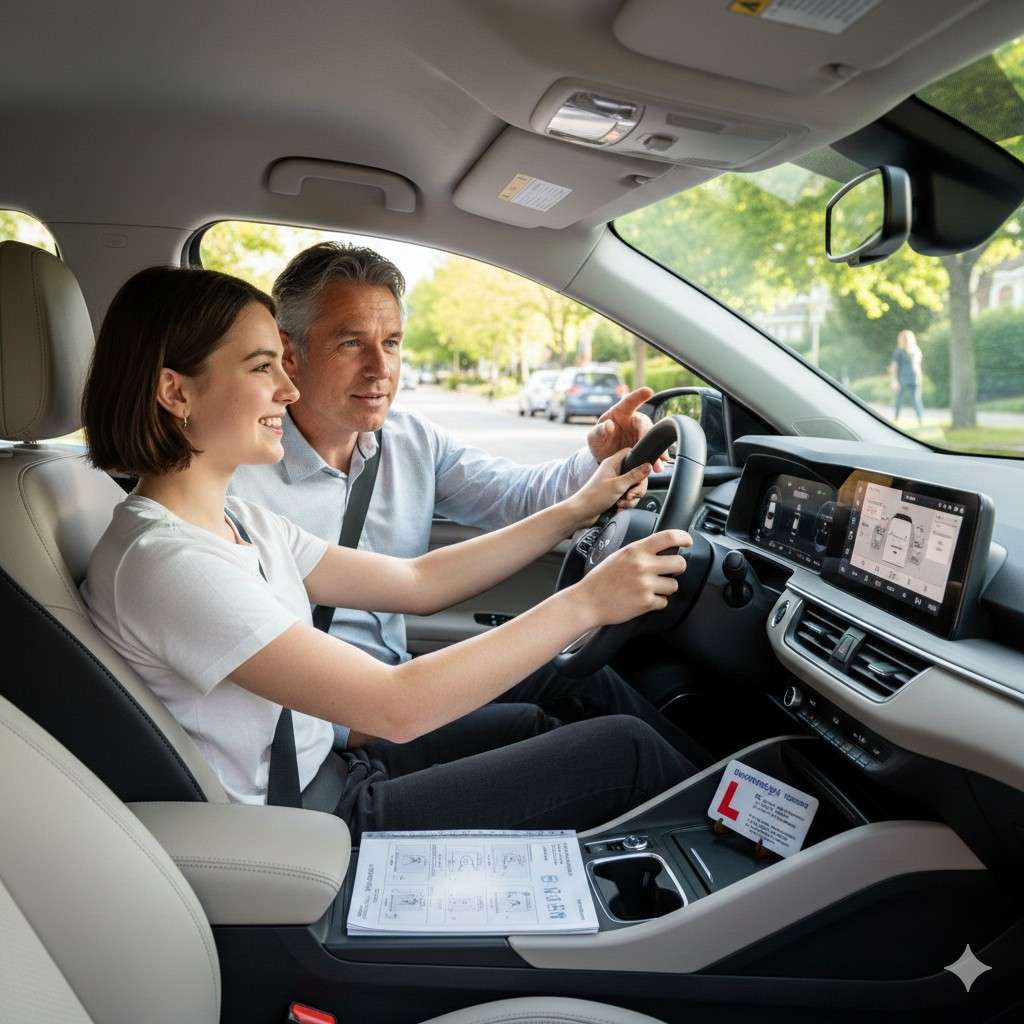
Your first driving lesson often comes with a mix of excitement and uncertainty, especially when you’re unsure about what will happen or how the session will unfold. These worries can easily build up and make the experience seem more stressful than it really is.
However, with the right preparation and a clear understanding of how your first lesson will unfold, you can step into the driving journey feeling confident, calm, and ready to learn.
This guide explains what to expect on your first driving lesson and how to prepare so that you can start with confidence.
Highlights
- Before your first driving lesson, get enough rest, wear comfortable clothing, review basic road signs, bring required documents, arrive early, stay relaxed, and openly communicate with your instructor for a confident start.
- In your first driving lesson, you’ll learn about basic vehicle controls, safety guidelines, simple road theory, and initial driving skills, followed by performance feedback and advice to help you improve in future sessions.
How to Prepare For Your First Driving Lesson?
To prepare for your first driving lesson, make sure you are well-rested, dressed comfortably, aware of basic road signs, and carry the necessary documents. Arrive early, stay calm, and communicate honestly with your instructor to ensure a smooth and confident learning experience.
- Get Enough Rest: A good sleep helps you stay focused, alert, and ready to learn new skills. Being well-rested also reduces driving anxiety and improves reaction time during the lesson.
- Learn Basic Road Signs and Rules: You don’t need full knowledge before your first lesson, but a basic understanding of traffic signs and signals can boost your confidence. It also helps you follow instructions more easily during the session.
- Wear Comfortable Clothing and Shoes: Choose clothes that allow easy movement and flat, closed shoes for proper control of the pedals. Avoid loose footwear, sandals, or thongs as they can slip and interfere with safe driving.
- Bring All Necessary documents: Carry your learner’s permit and logbook (if required in your region). Having all documents ready shows responsibility and allows your instructor to begin the lesson smoothly.
- Avoid Heavy Meals: Overeating before a lesson can make you feel sluggish or uncomfortable. A light snack is fine, but try to avoid foods that may slow you down.
- Arrive Early and Stay Calm: Plan your timing and arrive a few minutes early to avoid rushing. Staying calm at the beginning helps you start the lesson with a clear mind and a positive attitude.
- Limit Distractions: Keep your phone on silent or switched off during the lesson. Minimising distractions helps maintain focus and ensures a safer learning environment.
- Be Honest With Your Instructor: Let your instructor know about your experience level and any concerns you may have. Clear communication ensures that the lesson is adapted to your needs and comfort level.
You may also read: How Long Can A Learner Drive In One Day?
What Happens in Your First Driving Lesson?
During your first driving lesson, the instructor will introduce you to vehicle controls, safety rules, basic movement, and simple road theory to help you understand how driving works. By the end of the session, you’ll receive feedback on your performance and guidance on what to improve for your next lesson.
- Introduction and Safety Checks: Your instructor will start by introducing themselves and explaining how the lesson will run. They will ensure you understand basic safety rules and that the car is set up correctly.
- Overview of the Vehicle: The instructor will introduce you to the vehicle’s controls, dashboard symbols, mirrors, and safety features. This helps you understand the basics before taking the wheel.
- Basic Movement and Control: The instructor will guide you on how to start the engine, move forward gently, use the accelerator and brakes smoothly, and practice simple turns.
- Basic Road Theory: Along with practical learning, you may also be introduced to simple road theory. This includes traffic signs, right-of-way rules, lane discipline, and general do’s and don’ts of driving.
- Instructor Feedback: At the end of the session, your instructor will review your performance. They will highlight strengths, areas to improve, and what you should practice in the next lesson.
You may also read: What to Expect on Your Second Driving Lesson?
Conclusion
Your first driving lesson is less about perfection and more about building a strong foundation. By learning basic controls, safety practices, and simple driving techniques, you take the first step toward becoming a confident and responsible driver. It’s normal to feel nervous at the beginning, but with guidance from your instructor and regular practice, each lesson will feel easier and more natural. Stay calm, stay focused, and enjoy the learning process as you begin your journey behind the wheel.
To make this journey easier, choosing the right driving center is essential, and this is where Nirvaana Driving Center truly stands out. With experienced instructors, structured lessons, and a learner-friendly environment, Nirvaana ensures that beginners feel supported from their very first lesson. Book your driving class today!
FAQs
1. Do I need to study anything before my first driving lesson?
You don’t need to study deeply, but having a basic idea of road signs, traffic rules, and how the vehicle operates can help boost your confidence before your first lesson.
2. What will you learn during your first driving class?
You’ll learn basic vehicle controls, safety practices, and simple driving movements during your first driving lesson.
3. How much do driving lessons cost?
Driving lesson costs vary depending on location, instructor experience, and the type of vehicle you choose to learn with.
4. How many driving lessons do I need?
The average learner usually requires around 20–30 professional driving lessons. However, the exact number depends on your learning pace, comfort level, and how consistently you practice.
5. What if I make a mistake in my first driving class?
Making mistakes during your first driving lesson is completely normal and part of the learning process. Your instructor expects it and will guide you calmly, helping you correct errors and build confidence step by step.