
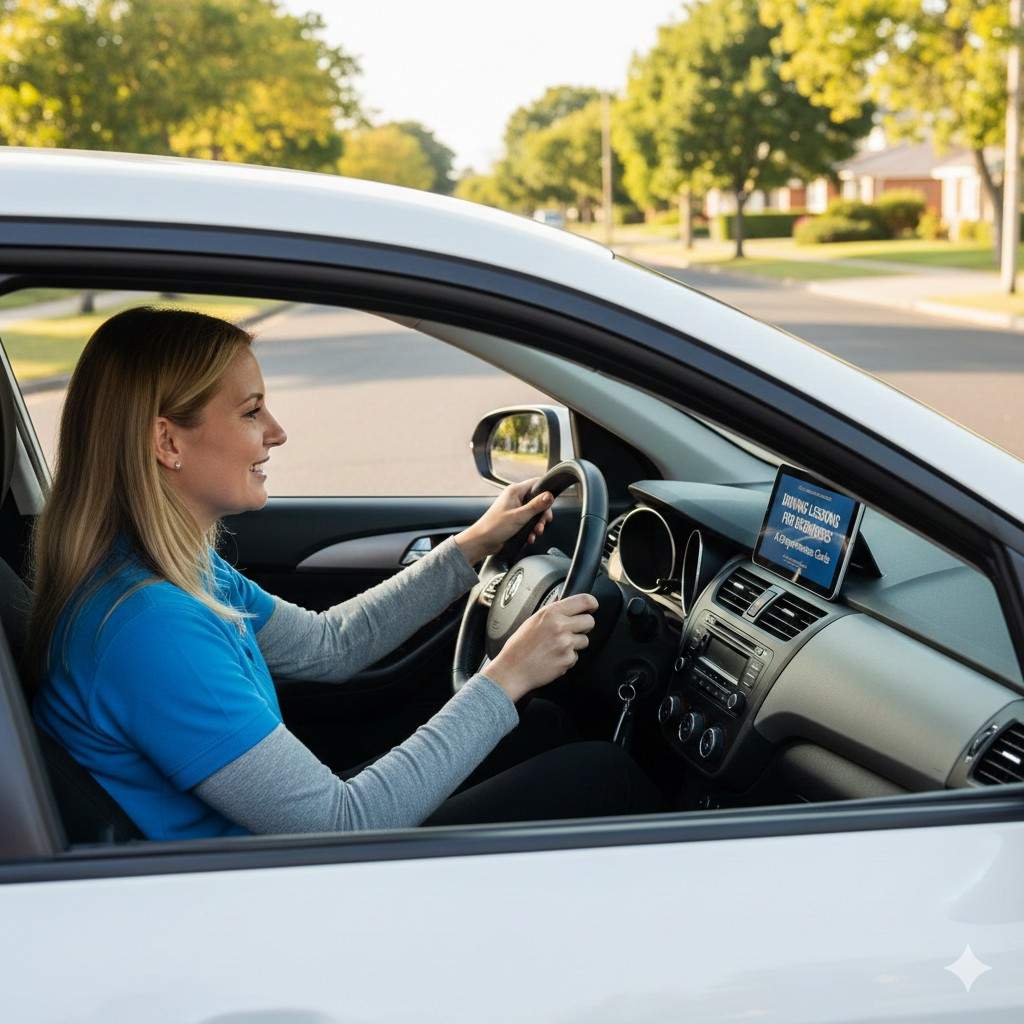
Learning to drive is an exciting milestone that opens the door to independence, freedom, and new opportunities. For beginners, however, the journey can also feel overwhelming, especially in a busy city like Melbourne, where trams, cyclists, roundabouts, and multi-lane roads add an extra layer of complexity.
This step-by-step guide breaks down everything a new learner needs to know before starting driving lessons in Melbourne.
Highlights
- Driving lessons for beginners are structured training sessions where a certified instructor actively teaches you to safely and legally control a vehicle.
- Driving lessons are essential because they provide the skills, confidence, and safe driving habits you need to avoid mistakes, understand road rules, and become a skilled driver.
- Key components of beginner driving lessons focus on vehicle familiarization, mastering basic controls in safe areas, understanding fundamental road rules & signs, and developing defensive driving habits.
What Are Driving Lessons for Beginners?
Driving lessons for beginners are structured sessions created to teach new drivers the fundamental driving skills, such as the basics of vehicle control, road rules, and safety practices. These lessons help you develop confidence and competence before driving independently.
Why Are Driving Lessons Important?
Driving lessons provide you with essential driving skills, rules of the road, and defensive driving techniques, which can prevent accidents and build confidence. Professional instruction ensures you learn good habits and a thorough understanding of the responsibilities of being a driver, making you a more confident and capable driver for life.
1. Builds Confidence & Control
Professional driving lessons help you overcome driving fear and hesitation. With proper guidance, you learn how to handle a vehicle smoothly and react calmly in different situations, such as residential areas, highways, traffic-heavy city roads, and roundabouts.
2. Ensures Safety on the Road
Driving lessons focus on defensive driving techniques that help you avoid accidents and risky situations. You learn how to anticipate hazards, maintain safe following distances, and follow essential safety rules, skills that protect both you and others on the road.
3. Helps Understand Traffic Rules & Regulations
Driving instructors help you understand the meaning of road signs, signals, lane markings, and right-of-way rules. This knowledge is essential for passing the driving test and driving legally on public roads.
4. Reduces Chances of Mistakes
Self-learning often leads to making more mistakes. Driving lessons provide structured training that helps you avoid common mistakes like overspeeding, wrong gear usage, harsh braking, or improper turning. This is why choosing the right driving school makes such a difference. Skilled instructors not only correct mistakes early but also create a supportive environment that helps you build safer driving habits from the very beginning.
5. Long-Term Savings
Although driving classes require an initial investment, they can lead to significant long-term savings. Proper training helps you avoid traffic fines, reduce the risk of accidents and costly repairs, and maintain lower insurance premiums by developing safe driving habits. In the end, well-trained drivers save money and stay safer over the long run.
Who Should Take Beginner Driving Lessons?
Beginner driving lessons are perfect for anyone who has no driving experience. It is also beneficial for those who have learned some driving skills from family but need to correct habits or get help with specific maneuvers, or for international license holders preparing for a local driving test.
- First-time drivers, including teenagers and adults.
- Individuals switching between vehicle types (e.g., automatic to manual, two-wheeler to four-wheeler).
- Those who learned informally and want to correct bad habits.
- Foreign residents who are adjusting to new traffic rules and road systems.
- Those who aim to clear their driving test the very first time successfully.
You may also read: How Much Do Driving Lessons Cost in Melbourne?
Key Components of Beginner Driving Lessons
Beginner driving lesson provides you with the essential knowledge and skills needed to operate a vehicle safely, understand road rules, and perform key manoeuvres with confidence. It also builds strong defensive driving habits that help you anticipate hazards.
1. Vehicle Operation Basics
Beginner driving lessons start by helping you become familiar with how the vehicle works. Your instructor first introduces you to the essential controls, such as the steering wheel, pedals, gear selector, mirrors, and dashboard indicators, so you understand what each one does.
Once you know the basics, you practice simple tasks like starting and stopping the engine, adjusting your seat and mirrors for proper visibility, and holding the steering wheel correctly. This gradual introduction gives you a solid sense of comfort and control before you begin driving on the road. It’s exactly what to expect on your first driving lesson.
2. Essential Driving Manoeuvres
As a new driver, you practice the core manoeuvres you’ll use every day on the road. These include pulling off and stopping safely, steering through turns, reversing in a straight line, performing three-point turns, and parallel parking. Your lessons break each manoeuvre into simple, manageable steps so you can understand timing, control, and spacing. By mastering these basics, you build the skills and confidence needed to handle more complex driving situations.
3. Traffic Laws, Road Signs & Signals
Understanding road rules is a critical part of your driving lessons. You are introduced to speed limits, right-of-way rules, lane markings, and how to interpret regulatory, warning, and informational road signs. You also learn the meanings of traffic signals, pedestrian crossings, and road markings. This knowledge helps you make safe, legal decisions on the road and prepares you for both your theory and practical driving tests.
4. Defensive Driving Techniques
Defensive driving teaches how to anticipate and react to potential hazards. Lessons focus on maintaining safe following distances, checking blind spots, scanning the road ahead, and understanding how weather and traffic conditions can affect driving. You also develop strategies to stay calm, avoid distractions, and make safe, proactive choices behind the wheel. These skills significantly reduce the risk of accidents and improve overall road awareness.
You may also read: How Many Driving Lessons Do You Need to Pass Your Test?
Conclusion
Driving lessons give you a solid foundation to understand vehicle control, road rules, and safe driving habits. As you learn step-by-step, from basic maneuvers to real traffic situations, you can build the confidence and skills needed to drive responsibly. With consistent practice and the proper guidance, you can develop the confidence and responsibility needed to drive safely.
To help you achieve this, Nirvana Driving Center offers structured guidance and experienced instruction that supports your progress at every stage. Our instructors ensure you develop the skills and confidence needed to drive safely and independently. Book your driving class with Nirvana today!!!
FAQs
1. Do I need any experience before taking my first driving lesson?
No, you don’t need any prior experience; your instructor will guide you through everything from the basics onward.
2. What is the best vehicle for a beginner driver?
The best vehicles for beginner drivers are usually small, reliable, fuel-efficient cars like the Toyota Corolla, Honda Civic, Mazda 2/3, Hyundai i30, or Suzuki Swift.
3. How to choose the right driving school in Melbourne?
Choose a driving school that offers accredited instructors, positive reviews, flexible lesson times, and a strong record of student success.