
Category: Blogs
-

Many drivers feel nervous or out of practice behind the wheel after a long break from driving, a past accident, moving to a new area, or adjusting to modern traffic conditions. Even licensed drivers can struggle with confidence or new vehicle technologies, which may increase stress and safety risks. As a result, driving can start…
-

After completing your first driving lesson, many learners are left unsure about what comes next. The initial guidance is over, expectations feel higher, and there’s often pressure to remember everything learned previously. This uncertainty can make the second lesson feel more daunting than the first. When you don’t know how the second lesson will differ…
-

Choosing a driving school in Melbourne can feel overwhelming, especially with so many schools promising expert instructors, flexible lessons, and high pass rates. Without proper guidance, learner drivers may end up spending more money, taking longer to learn, or feeling stressed. To make the decision easier, we’ve put together a list of the 10 Best…
-
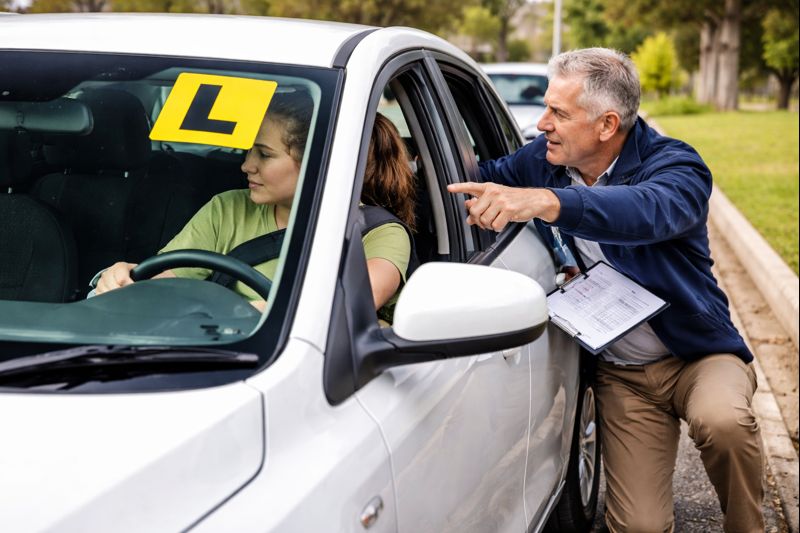
Passing your VicRoads driving test can feel like a huge milestone. For some people, it’s freedom, convenience, or independence; for others, it’s a necessity for work, study, or family. Regardless of motivation, many first-time learners share the same concern: “What if I fail?” The good news is you absolutely can pass your VicRoads drive test…
-
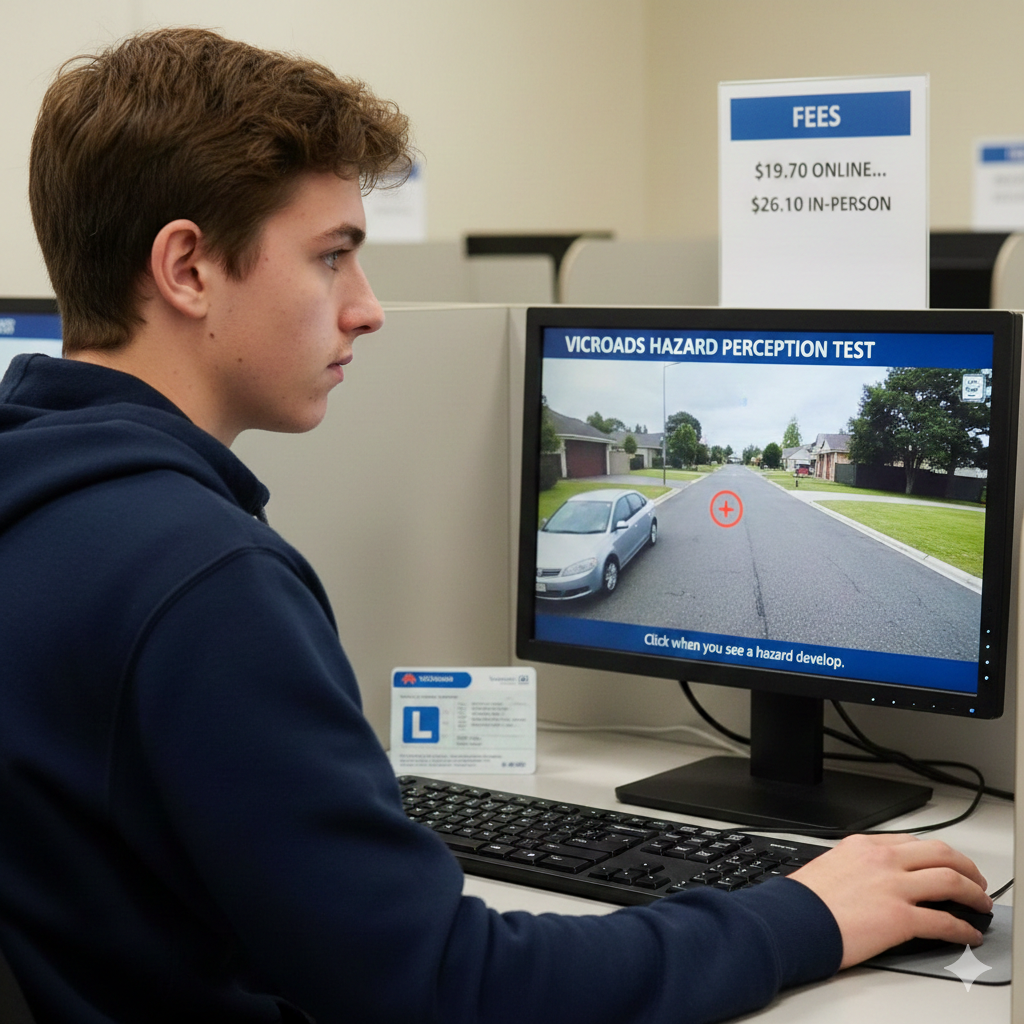
Many learner drivers and overseas licence holders find the Hazard Perception Test challenging because it requires more than just knowing the road rules; it tests how well you can recognise developing hazards and make safe driving decisions in real-world situations. Without the right preparation or understanding of how the test works, it’s easy to feel…
-
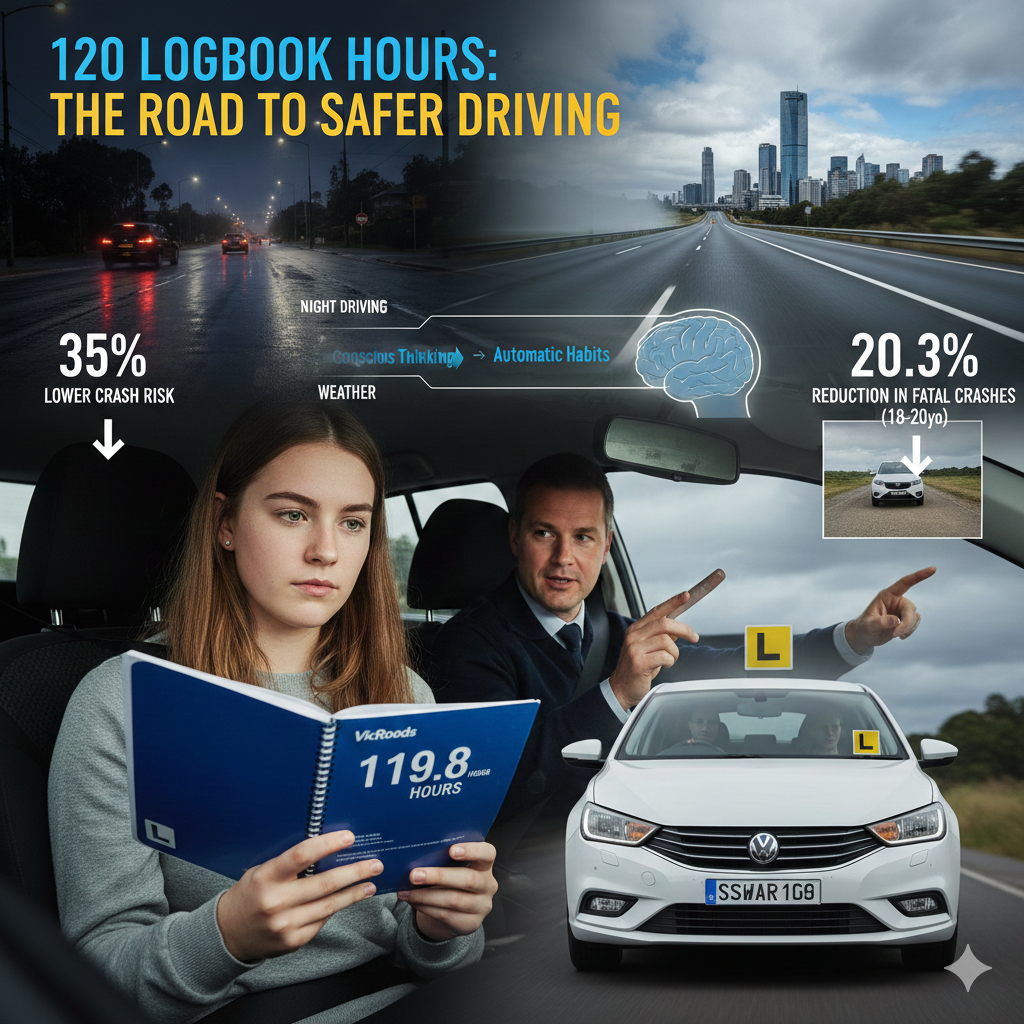
Getting ready for the driving test often raises one big question for learner drivers: why is completing 120 logbook hours mandatory? For many, this requirement can feel time-consuming or unnecessary, especially when they’re confident behind the wheel. However, the 120-hour logbook rule plays a key role in how new drivers are prepared for real-world driving,…
-
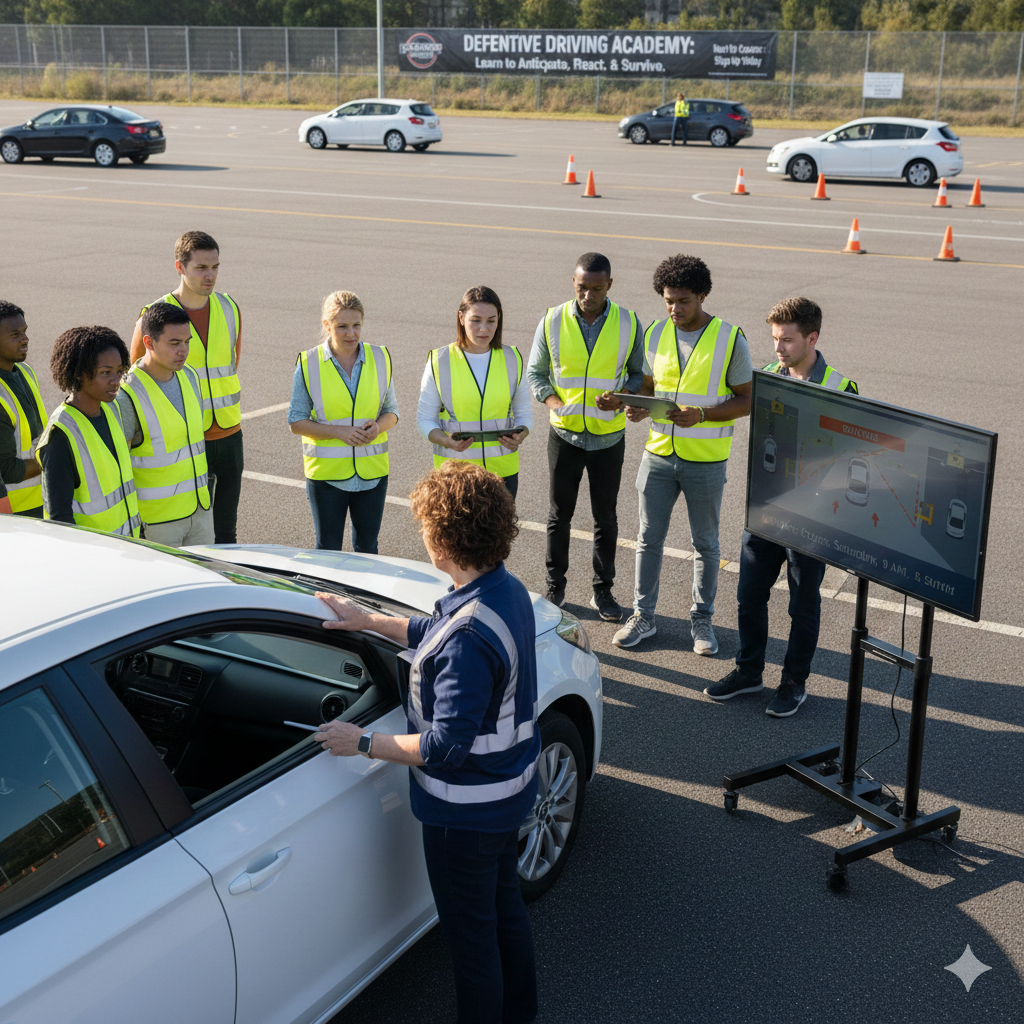
Road conditions, traffic density, and unpredictable driver behavior make driving more challenging than ever. Learning how to stay in control, reduce risk, and respond calmly to unexpected situations is essential for every driver, which is why understanding defensive driving and how to develop these skills has become an important part of modern driver education. In…
-
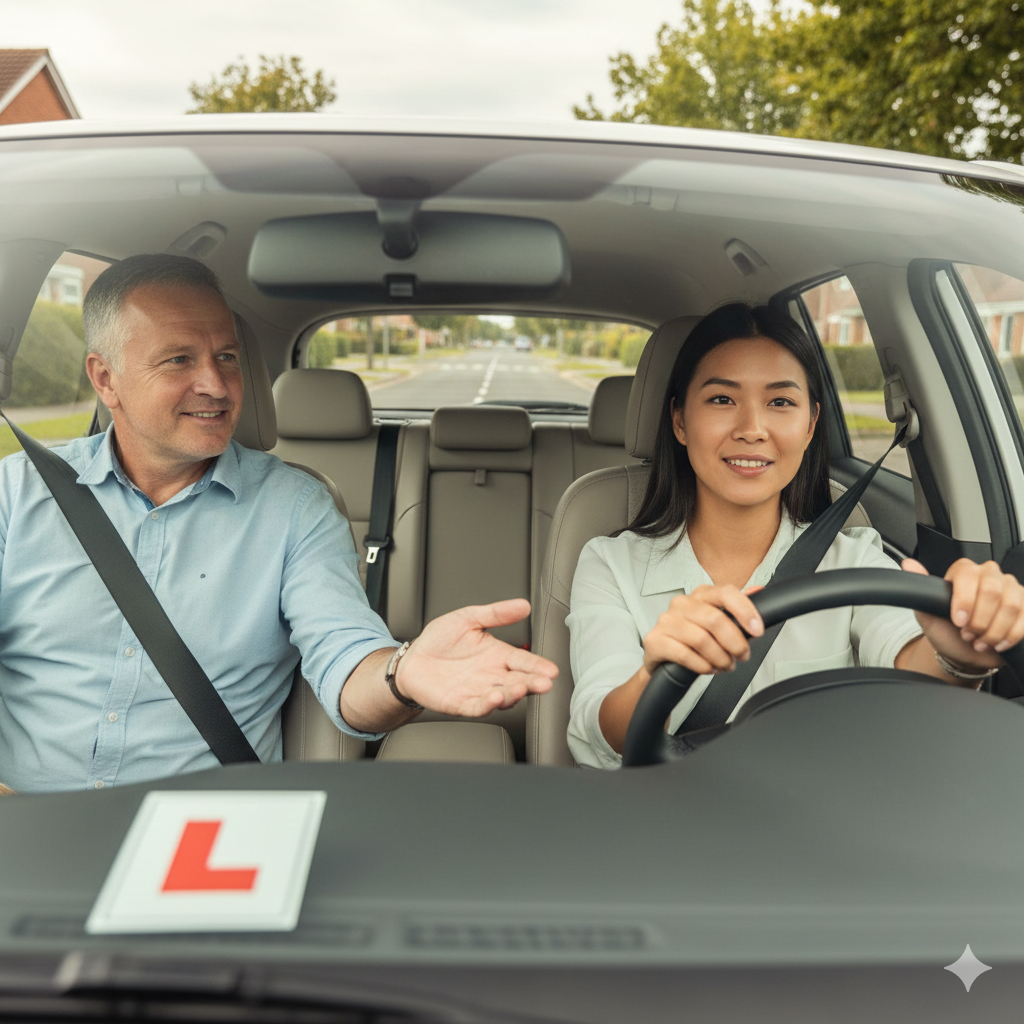
Many people feel scared or nervous about driving. You might worry about traffic, making mistakes, or losing control of the car. This fear can make you avoid driving or feel stressed every time you think about getting behind the wheel. When driving anxiety continues, it can affect your daily life. The more you avoid driving,…
-
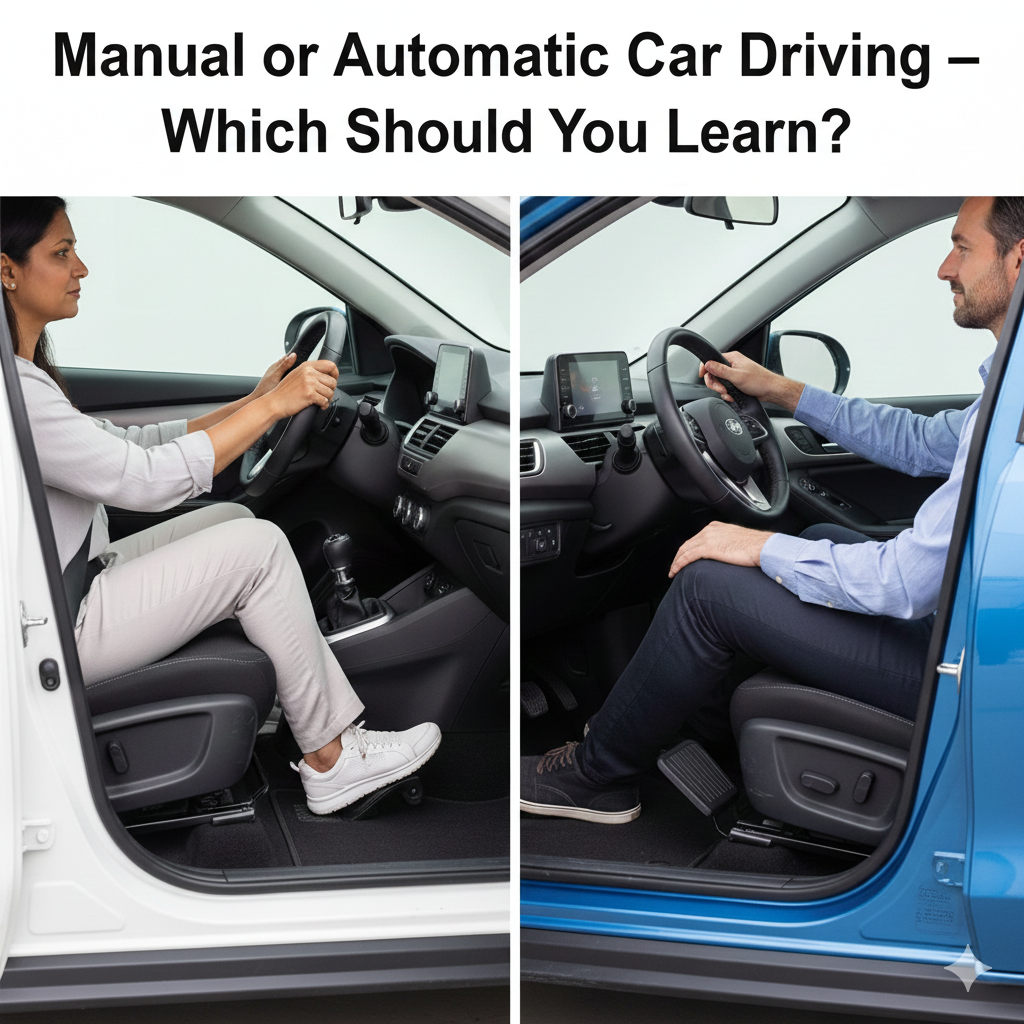
Choosing between a manual and an automatic car is an important decision for anyone learning to drive. Each type of transmission offers a different driving experience, level of control, and learning challenge. Manual cars help drivers develop stronger vehicle control and a better understanding of how a car operates, while automatic cars are easier to…
-
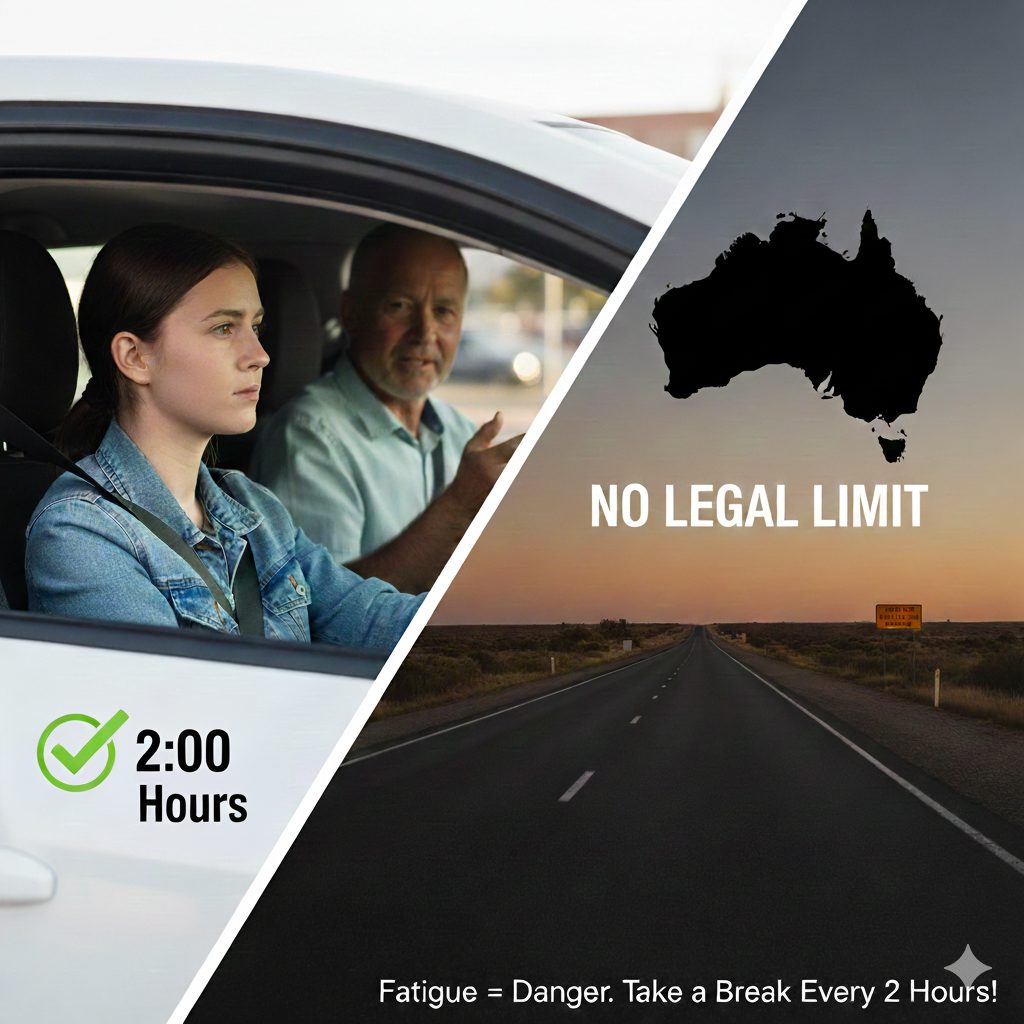
Learning to drive is an essential step toward independence, and for learner drivers, time spent behind the wheel plays a crucial role in building confidence and skill. Practice needs to be structured and balanced, as learning to control a vehicle, read traffic conditions, and follow road rules requires focus and mental effort. Too much driving…