
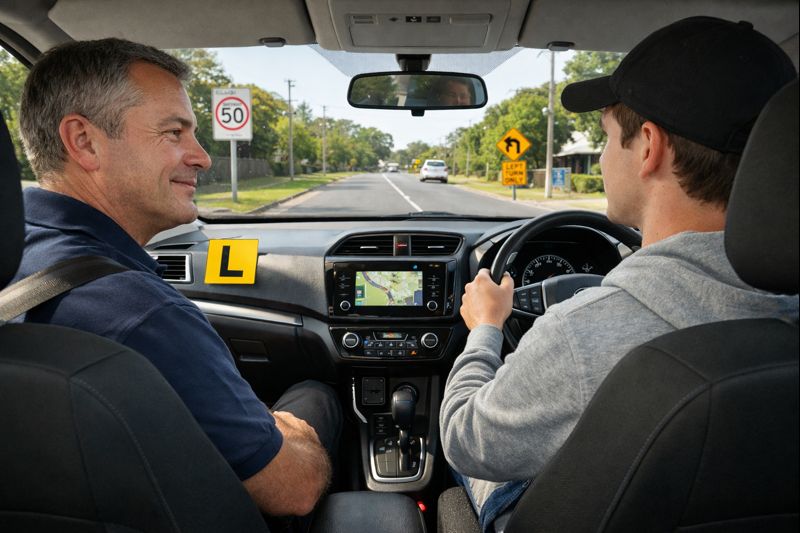
If you’re learning to drive, one question is almost guaranteed to be on your mind: “How many driving lessons do I need before I can pass my driving test?” It’s a fair question, after all, driving lessons cost time, money, and effort, so you want to know what you’re working toward.
The truth is, there’s no magic number that works for everyone. Some learners feel test-ready after a few weeks, while others need months of practice to drive safely on their own.
In this blog, we’ll explore how many driving lessons you need before taking your driving test and the key factors that influence this number. We’ll also share tips to help you make faster progress and reduce the total number of lessons required.
Highlights
- The number of driving lessons you need depends on your experience, confidence, practice habits, lesson consistency, vehicle type, driving environment, and instructor quality.
- New drivers with no experience usually need 10–20 hours of professional driving lessons to build confidence and handle traffic and complex driving situations safely.
- Learners with some driving practice (with a family member or friend) require 5–7 hours of lessons to refine skills, fix bad habits, and prepare for the driving test.
- Overseas licence holders generally need 2–5 hours of local driving lessons to understand Australian road rules, signage, and meet driving test expectations.
- Regular practice, consistent lessons, early road-rule knowledge, calm driving, and following instructor feedback can significantly reduce the number of driving lessons you need.
Key Factors That Determine How Many Driving Lessons You’ll Need
How many driving lessons you need depends on your experience, confidence, practice outside lessons, and whether you learn in a manual or automatic car. Lesson frequency, driving environment, and instructor quality also affect how quickly you progress.
Your Previous Driving Experience
If you’ve already driven with a family member or held a licence overseas, you will usually need fewer professional lessons. You’ll already understand basic steering, braking, and road positioning, which speeds up learning. Complete beginners, however, need more time to build these skills from scratch. The more familiar you are with driving, the fewer lessons you’ll usually need.
Manual vs automatic vehicle
Learning in a manual car usually takes longer because you must master clutch control, gear changes, and stalling recovery. These extra skills increase the number of lessons needed to become confident. Automatic cars are simpler to drive, allowing learners to focus on traffic, signs, and road awareness. As a result, automatic learners often need fewer lessons to become test-ready.
You may also read: Manual vs Automatic Driving – Which Should You Learn in 2026?
Practice outside professional lessons
Regular supervised practice outside of professional driving lessons helps reinforce skills and improve confidence. Learners who practise consistently tend to need fewer formal lessons overall. Without enough practice between lessons, skills can fade, slowing progress. Quality p;
Confidence and anxiety levels
Confidence plays a major role in how quickly a learner progresses. Nervous or anxious drivers may need additional lessons to feel comfortable in traffic and unfamiliar situations. Supportive instruction and gradual exposure to challenging driving conditions can help build confidence over time and reduce driving anxiety. While this may take longer, it leads to safer and more confident drivers.
Lesson frequency and consistency
Taking lessons once every few weeks slows progress because skills fade between sessions. Learners who take lessons two or three times per week improve much faster. Regular lessons help build muscle memory and keep techniques fresh. More consistent lessons usually mean fewer total sessions are needed.
Driving Environment
Learning to drive in busy urban areas, high-traffic zones, or complex road networks can take more time than practising in quieter areas. Exposure to different driving environments helps learners develop better hazard awareness and decision-making skills.
Quality of Instruction
The quality of instruction has a significant impact on how efficiently a learner progresses. Experienced instructors provide structured lessons, clear feedback, and personalised guidance. This helps learners correct mistakes early and build strong driving habits. Poor instruction can lead to bad habits that take extra time to fix.
How Many Driving Lessons Do You Need in Australia?
Learners who have never driven before usually need between 10 and 20 hours of beginner driving lessons to feel confident behind the wheel. Some people learn faster and need fewer lessons, while others take a bit more time to feel relaxed in traffic and complex situations.
For those who have already practiced driving with a family member or friend, fewer lessons. 5 to 7 hours are usually required. This time is enough to refine technique, correct bad habits, and prepare properly for the driving test.
Drivers who hold an overseas licence usually need around 2 to 5 hours of local driving lessons to adjust to Australian road rules, signage, and driving conditions. These sessions help ensure you meet the expectations of Australian driving examiners and feel confident navigating local roads.
You may also read: 10 Best Driving Schools in Melbourne
Book your driving lessons today with experienced instructors who help beginners build confidence faster, reduce unnecessary lessons, and get test-ready with safe training.
Tips to Reduce the Number of Driving Lessons You Need
Practising regularly between lessons, learning road rules early, and taking lessons consistently help reinforce skills and build confidence faster. Staying calm, applying your instructor’s feedback, driving in different conditions, and choosing a qualified instructor can significantly reduce the total number of driving lessons you need.
- Practice regularly outside lessons: Driving between professional lessons helps reinforce what you’ve learned and builds confidence. The more time you spend behind the wheel, the faster your skills improve.
- Take lessons consistently: Spacing lessons too far apart slows progress because skills fade over time. Having lessons at least once or twice a week helps you improve steadily.
- Learn Road Rules Early: Knowing Australian road rules and signs before and during lessons allows you to focus more on driving techniques. This makes each lesson more productive and efficient.
- Focus on your instructor’s feedback: Listening carefully and correcting mistakes early prevents bad habits from forming. This makes each lesson more productive and reduces the total number you need.
- Drive in different road conditions: Practicing in traffic, on highways, and in different weather prepares you for real driving situations. This makes you more test-ready and confident.
- Stay calm and confident: Anxiety can lead to hesitation and poor decisions on the road. Staying relaxed helps you learn faster and handle situations more smoothly.
- Choose a qualified driving instructor: A qualified instructor who matches your learning style can speed up your progress. Clear guidance and constructive feedback reduce the number of lessons needed.
Conclusion
There is no fixed number of driving lessons required to pass a driving test in Australia, as every learner progresses at a different pace. Factors such as your previous driving experience, confidence level, practice habits, lesson consistency, and instructor quality all play a major role in how quickly you become test-ready.
Choosing the right driving school can make this journey much easier, and Nirvana Driving is designed to support learners at every stage. With professional instructors, personalised lesson plans, and a focus on building real-world driving confidence, Nirvana Driving helps you learn efficiently and get the most value from every lesson. Book your driving lessons with Nirvana Driving today.
Frequently Asked Questions
Can I pass my driving test with fewer lessons?
Yes, some learners pass with fewer lessons if they practise regularly outside lessons and learn quickly. However, the focus should always be on driving safely rather than reaching a minimum number.
Is practising with family enough to pass the test?
Practising with family is very helpful, but professional lessons are important to correct bad habits, learn test standards, and receive structured feedback.
Can taking longer driving lessons reduce the total number I need?
In many cases, yes. Longer lessons (for example, 90 minutes instead of 60) allow more continuous practice and can improve learning efficiency.
Do refresher lessons help if I failed a driving test?
Yes, refresher lessons are highly recommended after a failed test. They help address examiner feedback and improve weak areas before rebooking.
Does age affect how many driving lessons I need?
Age itself is not a major factor. Learning speed, confidence, and practice habits matter far more than how old you are.