
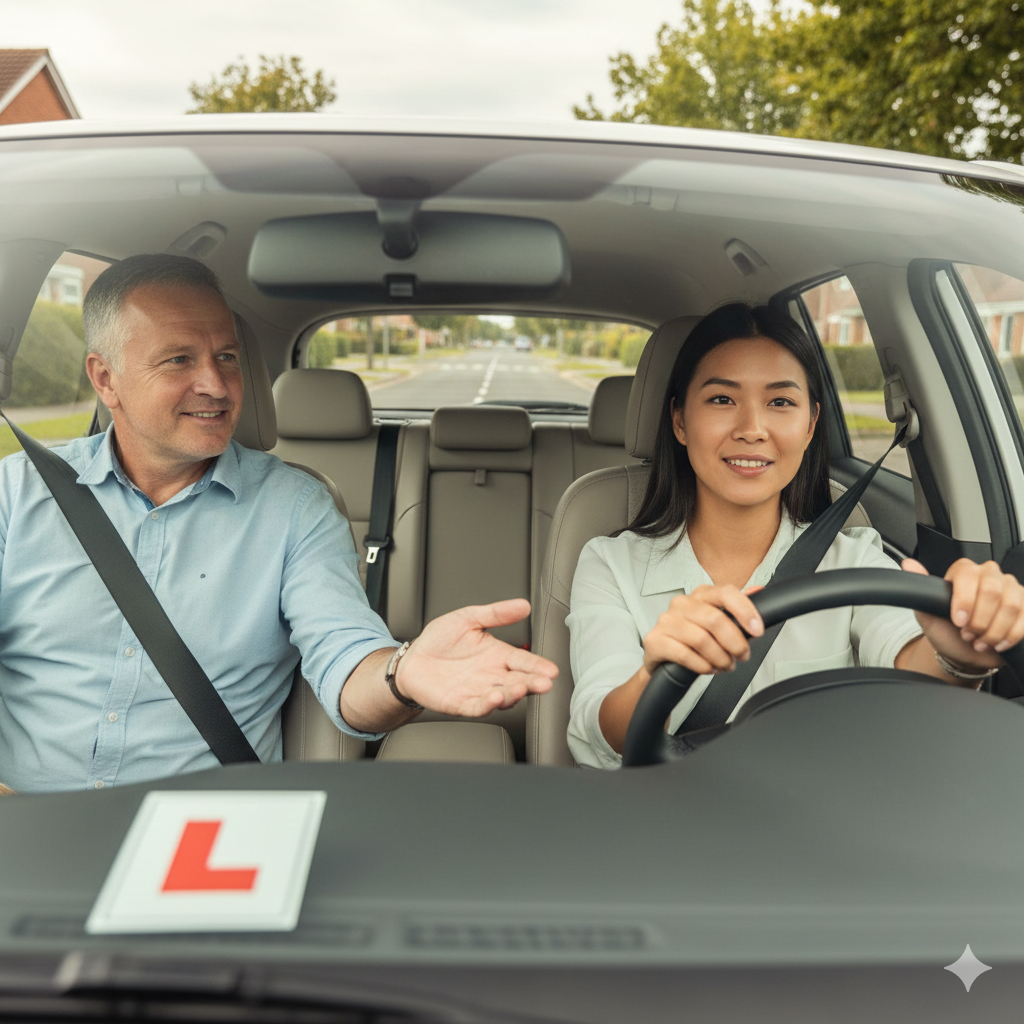
Many people feel scared or nervous about driving. You might worry about traffic, making mistakes, or losing control of the car. This fear can make you avoid driving or feel stressed every time you think about getting behind the wheel.
When driving anxiety continues, it can affect your daily life. The more you avoid driving, the stronger the fear can become, making you feel less confident and more anxious over time.
The good news is that driving anxiety can be overcome. By taking small steps, practising calmly, and getting the right support, you can learn to feel relaxed and confident while driving.
In this guide, we’ll explore how to get over the fear of driving, build confidence, and enjoy driving again at your own pace.
Highlights
- Driving anxiety is a persistent fear or nervousness related to driving that can range from mild discomfort to intense panic.
- Fear of driving often has specific triggers, such as heavy traffic, highways, driving alone, or past negative experiences.
- To get over the fear of driving, start with gradual exposure in safe, familiar places, use relaxation techniques, and consider professional help like a driving instructor for nervous drivers or a therapist for severe anxiety (CBT).
What Is Driving Anxiety?
Driving anxiety, also known as amaxophobia, is an intense fear of driving that can range from mild nervousness to overwhelming panic. It often develops after a past accident, a frightening driving experience, or a fear of losing control, such as having a panic attack while driving. For some people, the anxiety is triggered by specific situations like merging onto highways, driving through tunnels, heavy traffic, or poor weather conditions.
What are the Common Causes of Fear of Driving?
Fear of driving can develop from past accidents, lack of experience, fear of making mistakes, heavy traffic, panic attacks, or negative learning experiences. Pressure from others and underlying anxiety or health conditions can also increase stress and make driving feel overwhelming.
- Past Accidents or Near-Miss Experiences: A previous accident or close call can leave a lasting emotional impact. Even after physical recovery, the mind may associate driving with danger, causing fear and anxiety.
- Lack of Driving Experience: New or infrequent drivers often feel unsure about handling real-road situations. This lack of confidence can lead to overthinking and fear while driving.
- Fear of Making Mistakes: Many people worry about stalling, incorrect lane changes, or breaking traffic rules. This fear of doing something wrong can increase stress and hesitation on the road.
- Heavy Traffic or Busy Roads: Driving in crowded areas, highways, or unfamiliar routes can feel overwhelming. Fast-moving vehicles and constant decision-making can trigger anxiety.
- Panic Attacks While Driving: Experiencing a panic attack while driving can create a strong fear of it happening again. This often leads to avoidance and increased anxiety over time.
- Negative Learning Experiences: Harsh instructors, impatient supervisors, or criticism while learning can reduce confidence. These experiences may cause long-term fear and self-doubt behind the wheel.
- Pressure From Others: Feeling judged by other drivers, family members, or passengers can increase nervousness. This pressure can make driving feel stressful rather than manageable.
- Underlying Anxiety or Health Conditions: General anxiety disorders, PTSD (Post-Traumatic Stress Disorder), or vision-related issues can contribute to fear of driving. When anxiety exists in other areas of life, it often carries over into driving situations as well.
Signs You May Have Driving Anxiety
Driving anxiety may show up as fear before driving, avoidance of driving altogether, or physical symptoms like sweating, rapid heartbeat, or shortness of breath while on the road. In more intense cases, it can include panic attacks while driving or a strong need for reassurance from others to feel safe.
- Feeling Scared or Nervous Before Driving: You may feel tense, worried, or uneasy even before starting the car. Just thinking about driving can make you feel stressed or uncomfortable.
- Avoiding Driving Whenever Possible: You might choose not to drive and depend on others or public transport instead. Avoidance can make the fear stronger over time.
- Physical Symptoms While Driving: Driving anxiety can cause sweating, a fast heartbeat, shaky hands, or shortness of breath. These physical reactions are common signs of anxiety.
- Panic Attacks While Driving: You may experience sudden panic, dizziness, or a feeling of losing control while driving. This can make you fear driving again in the future.
- Needing Constant Reassurance: You may seek reassurance from passengers or feel safer only when someone is with you. Driving alone may feel overwhelming.
Book a professional driving lesson today and start overcoming driving anxiety with expert support.
How to Overcome Fear of Driving?
Overcoming the fear of driving involves understanding your triggers, practising gradually, staying consistent, and using relaxation techniques to manage anxiety. Building confidence through positive thinking, supportive guidance, healthy habits, and regular exercise helps make driving feel safer and more manageable over time.
1. Understand What Exactly Triggers Your Fear
Fear of driving often has a reason behind it. It may come from a past accident, a bad learning experience, or fear of making mistakes. Understanding what triggers your anxiety helps you address it correctly.
Once you identify whether your fear is related to highways, traffic, driving alone, or panic attacks, it becomes easier to manage. Fear loses power when you understand it.
2. Start Small and Build Gradually
You don’t need to face your biggest fear on day one. Begin with short, easy drives in familiar and quiet areas. For many people, beginner driving lessons provide a safe and structured way to start, allowing you to practise basic skills without pressure.
As your confidence improves, slowly increase the difficulty, longer routes, busier roads, or different times of day.
3. Try Relaxation Techniques Before You Drive
Taking a few minutes to relax before driving can help reduce anxiety and clear your mind. Simple techniques like deep breathing, light stretching, or mindfulness can calm your body and lower stress levels before you get into the car. These practices are best done before driving so you feel relaxed and focused.
4. Change Negative Thoughts
Fear often comes from thoughts like “I’ll mess up” or “I’m not a good driver.” These thoughts increase anxiety and reduce confidence.
Replace them with realistic reminders such as “I am learning” or “I can handle this.” Calm self-talk makes driving feel less threatening.
5. Learn Defensive Driving Skills
Knowing how to respond to unexpected situations increases confidence. Defensive driving teaches awareness, safe spacing, and anticipation.
When you feel prepared, the road feels less unpredictable. Skill reduces fear more effectively than avoidance.
6. Drive With Support at First
Having support during early driving practice can greatly reduce anxiety. Whether it’s a calm companion or a professional instructor, guided driving helps you feel safer, gain reassurance, and correct mistakes early. Choosing the right driving school is especially important, as a patient, learner-focused approach can make the learning experience feel supportive rather than stressful.
As your confidence grows, you can gradually transition to driving independently at your own pace, building both skill and self-belief in a positive and structured way.
7. Practise Regularly Without Long Breaks
Driving confidence grows through consistency. Driving occasionally and then stopping for weeks can cause anxiety to return. Regular practice helps reduce fear and build trust in your skills.
Even short drives around your neighbourhood can help keep confidence steady. The goal is familiarity, not perfection.
8. Set Realistic Expectations for Yourself
Progress may be slow at times, and that is normal. You don’t need to drive perfectly to be a safe driver. Accepting small mistakes as part of learning helps reduce pressure and builds confidence naturally.
9. Avoid Unhealthy Behaviours That Reinforce Driving Fear
Avoid habits that increase fear, such as reading accident stories or focusing on worst-case scenarios. These behaviours can make driving anxiety worse. Reducing negative exposure helps you stay calm and build confidence while driving.
10. Exercise Regularly to Reduce Driving Anxiety
Regular exercise helps reduce stress and anxiety by calming the mind and body. Staying physically active can improve mood, increase confidence, and make it easier to feel relaxed while driving. A consistent movement routine supports better emotional control behind the wheel.
Conclusion
Overcoming the fear of driving is a gradual process that requires patience, self-awareness, and consistent practice. By understanding your triggers, taking small and manageable steps, and developing calm, supportive habits, you can slowly rebuild confidence and feel more in control behind the wheel.
This journey becomes far easier with the right guidance. A calm, patient, and learner-focused instructor can help reduce anxiety, correct habits early, and support progress without pressure. With a supportive approach like the one offered by Nirvana Driving, anxious drivers feel understood, encouraged, and guided at their own pace, making confident, independent driving a realistic and achievable goal.
FAQs
1. How long does it take to overcome driving fear?
There is no fixed timeline, as it depends on the cause of the fear, how often you practise, and the support you receive. Some people notice improvement within a few weeks, while for others it may take months of gradual, consistent driving to feel confident.
2. Can I overcome driving fear without therapy?
Yes, many people overcome driving fear without formal therapy by using gradual practice, relaxation techniques, and positive thinking. However, if anxiety feels overwhelming or leads to panic attacks, professional support can be very helpful.
3. Should I avoid learning to drive until I feel confident?
No, confidence usually develops through practice, not before it. Avoiding driving can increase fear, while starting slowly helps build comfort and confidence over time.
4. Is it normal to be scared to drive?
Yes, feeling nervous or scared about driving is very common, especially for new or returning drivers. These feelings are normal and often reduce with experience and practice.
5. Is driving anxiety the same as a driving phobia?
Driving anxiety involves fear or nervousness that may come and go, while a driving phobia is more intense and persistent. A phobia often leads to complete avoidance of driving and may require additional support to overcome.
How to drive a car without fear?
To drive without fear, start slowly in quiet, familiar areas and build confidence through consistent practice, calming techniques like deep breathing and positive self-talk, and gradual exposure to more challenging roads. If fear feels overwhelming, practising with a calm companion or seeking professional guidance can help you feel safer and more in control.
8 responses to “How to Get Over the Fear of Driving in 2026?”
[…] A good sleep helps you stay focused, alert, and ready to learn new skills. Being well-rested also reduces driving anxiety and improves reaction time during the […]
[…] driving lessons help you overcome driving fear and hesitation. With proper guidance, you learn how to handle a vehicle smoothly and react calmly […]
[…] Knowing how to handle various challenging situations, such as adverse weather or heavy traffic, can reduce driving anxiety and road rage. This leads to a more relaxed and focused driving […]
[…] You may also read: How to Get Over the Fear of Driving? […]
[…] Many learners highlight the benefit of practising official testing routes before test day, which reduces driving anxiety and improves […]
[…] Calm and Rested: Being relaxed and well-rested makes it easier to focus. It also helps reduce any driving anxiety you […]
[…] lessons provide strategies to reduce driving anxiety, build confidence, and regain comfort behind the wheel. Instructors offer encouragement and […]
[…] and gradual exposure to challenging driving conditions can help build confidence over time and reduce driving anxiety. While this may take longer, it leads to safer and more confident […]