
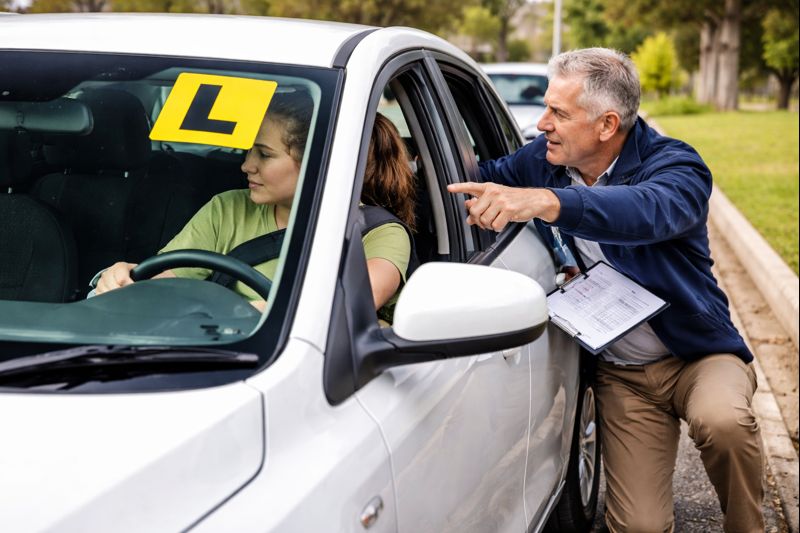
Passing your VicRoads driving test can feel like a huge milestone. For some people, it’s freedom, convenience, or independence; for others, it’s a necessity for work, study, or family. Regardless of motivation, many first-time learners share the same concern: “What if I fail?”
The good news is you absolutely can pass your VicRoads drive test on your first attempt if you understand how the test works, how you’re marked, and what behaviours VicRoads examiners are specifically looking for.
This blog will explore the tips to help any new driver, whether a teenager, adult learner, or overseas licence holder, pass the VicRoads drive test confidently and on the first attempt.
How Do Learners Pass the VicRoads Test on the First Go?
To pass the VicRoads test first try, thoroughly study the Road to Solo Driving handbook, practice consistently in familiar areas, and during the test, exaggerate head checks, maintain safe distances, obey all traffic rules (especially speed limits and signs), use indicators, and stay calm by focusing on the present, making your actions obvious to the examiner.
1. Understand What the VicRoads Test Measures
The test isn’t only about avoiding crashes — it’s about showing safe, legal, and predictable driving habits. Examiners pay close attention to observation, hazard awareness, speed control, and road law compliance. Understanding the scoring criteria helps you practise with purpose instead of guessing what examiners want.
2. Take Enough Professional Driving Lessons
Even confident learners benefit from trained instructors because they know VicRoads testing expectations and common failure points. A few structured lessons can fix habits that parents or friends might miss. Many first-time passes include one or two mock tests with an instructor.
3. Master the Pre-Drive Safety Check
Examiners watch how you set yourself up before driving. Adjusting your seat, seatbelt, mirrors, and steering shows you understand car control. This creates a good first impression and shows confidence from the beginning.
4. Prioritise Observation and Scanning
Head checks, mirror checks, and scanning need to be obvious and consistent throughout the test. Examiners must clearly see your eyes move when you check mirrors or blind spots. Strong observation reduces risk and is one of the biggest pass/fail factors.
5. Maintain Proper Speed Control
Driving too fast or too slow can both result in test failure. You need to match posted speed limits and adjust for school zones, weather, or road conditions. Staying within a small range of the limit shows control and confidence.
6. Choose Safe Gaps at Intersections and Roundabouts
Gap selection should allow you to move without forcing other drivers to brake or slow suddenly. Hesitating too long can block traffic and signals uncertainty. Smooth decision-making shows you can enter traffic safely and efficiently.
7. Use Indicators Correctly
Indicators must be timed properly so other road users can predict your movements. Signal when changing lanes, turning, merging, parking, and exiting roundabouts. Forgetting to cancel or activate your signal confuses drivers and hurts your score.
8. Keep Clean Lane Positioning
Positioning the car in the centre of your lane shows good control and awareness. Drifting toward lines, parked cars, or off-centre positions signals poor steering stability. Examiners also watch how you enter and exit lanes at intersections.
9. Always Shoulder Check Before Changing Lanes
Blind spot checks are considered non-negotiable safety behaviour in Victoria. You must shoulder check before merging, turning across lanes, or moving around parked vehicles. Missing just one critical check can result in an instant fail.
10. Know School Zones, Stop Signs, and Give Way Rules
School zones and stop signs are strict legal requirements, and mistakes here don’t get “leniency.” You must come to a full stop at stop signs and give way until the path is completely safe. Understanding these rules prevents automatic fails.
11. Be Confident but Not Aggressive
Confident driving includes taking safe gaps, keeping with traffic flow, and making controlled decisions. Aggression, such as tailgating or forcing merges, is unsafe and will fail you quickly. Examiners look for calm and predictable driving behaviour.
12. Think Ahead With Hazard Perception
Hazard perception isn’t only reacting — it’s anticipating risks before they develop. Common hazards in Victoria include cyclists, trams, parked cars, and pedestrian crossings. Planning ahead shows maturity and reduces sudden braking or hesitation.
13. Practise Test Routes to Remove Surprises
Driving the common test routes helps you learn challenging intersections, roundabouts, and lane layouts. This doesn’t “cheat” the test — it simply reduces anxiety through familiarity. Less stress means better decision-making on test day
14. Manage Nerves on Test Day
Nerves are one of the biggest reasons people fail, even when they have the skill. A short warm-up drive before the test helps get your mind and muscles ready. Staying calm allows you to correct small mistakes instead of panicking.
15. Know What Causes Automatic Fails
Some mistakes cause immediate failure because they compromise safety. Examples include speeding, running red or stop signs, forcing another driver to brake, or losing control of the vehicle. Knowing these risk areas helps you avoid them entirely.
16. Ensure Your Vehicle Is Test-Ready
Your car must be roadworthy, or the test can be cancelled before it starts. Indicators, lights, mirrors, and tyres need to be in proper working condition. Bringing your documents and learner’s permit avoids delays and unnecessary stress.
Conclusion
Passing your VicRoads drive test on the first attempt isn’t about luck — it’s about preparation, confidence, and understanding the behaviours that examiners expect from safe drivers on Victorian roads. By focusing on clear observation, smooth speed control, safe gap selection, and knowledge of road laws, you give yourself the best chance of demonstrating competence in real traffic conditions. Even small improvements in consistency and decision-making can make a noticeable difference on test day.
For learners who want structured guidance and targeted feedback, Nirvana Driving provides experienced driving instructors who know VicRoads standards and local testing routes. Their lessons focus on practical skills, test preparation, hazard perception, and mock assessments to help learners build confidence and correct unsafe habits before the real exam. With professional support and a personalised learning approach, Nirvana Driving makes it easier for learners to feel prepared, calm, and ready to pass on their first attempt. Book your driving lesson with Nirvana Driving today!!