
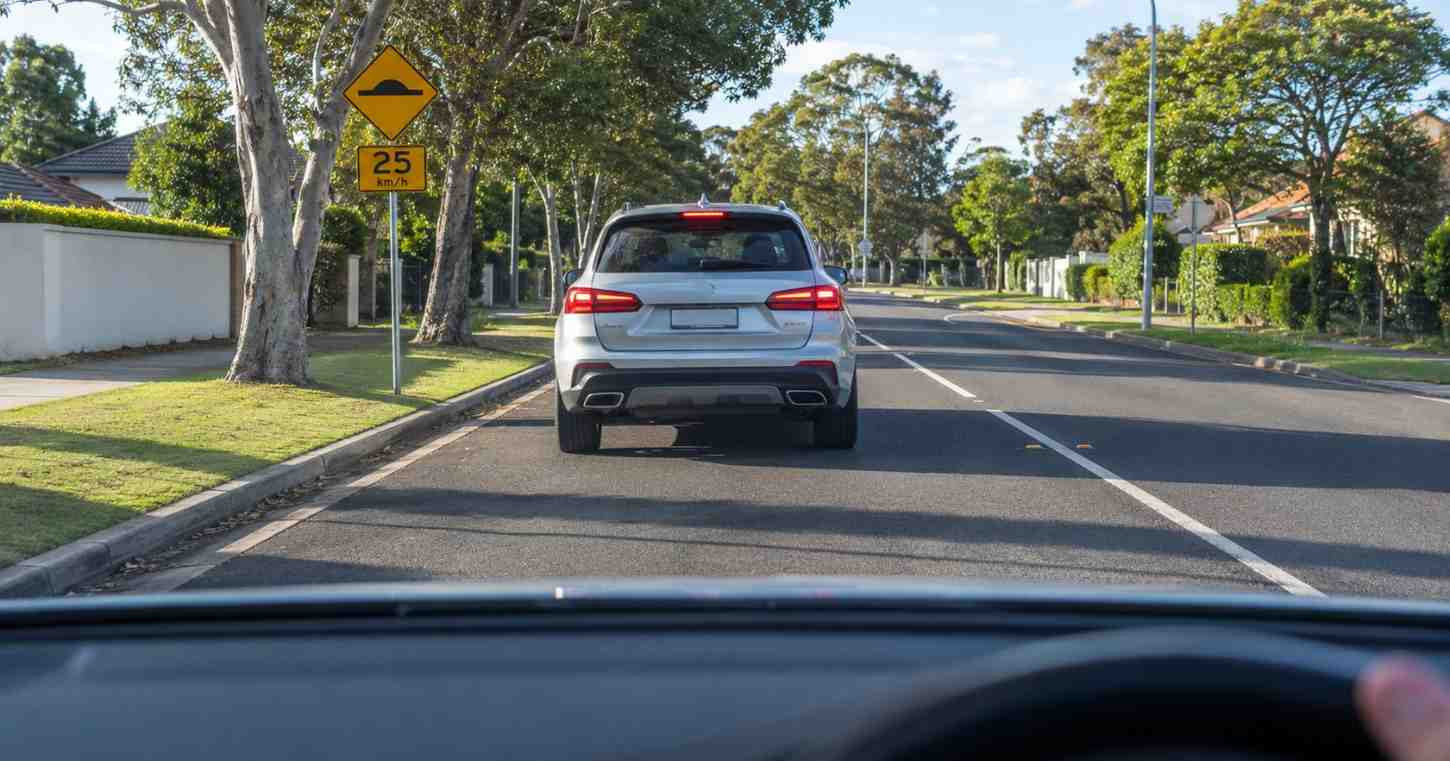
Rear-end collisions are one of the most common accidents on Australian roads, especially in heavy traffic, near intersections, roundabouts, pedestrian crossings, and school zones.
These accidents can happen when traffic changes suddenly, when a driver is distracted, or when road and weather conditions make it harder to stop in time. Learning how to recognise risks early and respond calmly can help reduce the chance of a crash.
This guide explains what rear-end collisions are, why they happen, and how drivers should respond when the car in front stops suddenly. It also shares practical tips to help learner drivers reduce the risk of rear-end crashes on Australian roads.
Key Highlights
- Rear-end collisions happen when one vehicle hits the back of another vehicle, often because the rear driver cannot stop in time.
- Common causes include tailgating, distraction, speeding, fatigue, poor weather, sudden traffic changes, vehicle issues, and driver inexperience.
- If the car in front stops suddenly, drivers should stay calm, brake firmly but smoothly, avoid swerving, and keep control of the vehicle.
- In Australia, the rear driver is often considered responsible, but fault can depend on the full circumstances of the crash.
- Learner drivers can reduce the risk by staying alert, reading traffic early, controlling speed, and practising safe decision-making.
- After a rear-end collision, drivers should stop safely, check for injuries, exchange details, gather evidence, and contact police or insurance if required.
What Is a Rear-End Collision?
A rear-end collision occurs when one vehicle hits the back of another vehicle. It usually happens when the driver behind is unable to slow down or stop before reaching the vehicle in front.
In simple terms, it is a crash caused by a difference in movement between two vehicles travelling in the same direction. The front vehicle may be stopped, slowing down, or moving at a lower speed, while the rear vehicle continues forward and makes contact with it.
Rear-end collisions can involve two cars, but they can also happen between cars, motorcycles, buses, trucks, or other road users. The impact may seem minor at low speed, but it can still cause vehicle damage and injuries, especially if the people inside are not prepared for the sudden force.
What Causes Rear-End Crashes?
Rear-end crashes often happen due to tailgating, distraction, speeding, fatigue, poor weather, sudden traffic changes, or vehicle issues. These factors reduce reaction time and make it harder for drivers to stop safely.
- Following too closely (tailgating): Leaving too little space between vehicles reduces reaction time and increases the risk of a collision.
- Distracted driving: Using a phone, adjusting the GPS, eating, or other distractions can take a driver’s attention away from the road.
- Speeding: Higher speeds increase stopping distances and make it harder to avoid a crash.
- Driver fatigue: Tired drivers may react more slowly or fail to notice traffic slowing ahead.
- Poor weather conditions: Rain, fog, and wet roads can reduce visibility and vehicle control.
- Sudden traffic changes: Congestion, roadworks, or unexpected stops can catch drivers off guard.
- Vehicle maintenance issues: Worn brakes, damaged tyres, or faulty brake lights can contribute to accidents.
- Inexperience: Learners and new drivers may have difficulty judging safe stopping distances.
- Alcohol or drugs: Impaired driving affects judgment, concentration, and reaction times.
What Should You Do If the Car in Front Stops Suddenly?
When the car in front stops suddenly, your response needs to be calm, controlled, and quick. Sudden braking can be stressful for learner drivers, but knowing what to do can help reduce panic and lower the risk of a rear-end crash.
1. Stay Calm and Focus on the Road
The first thing to do is stay calm and keep your eyes on the road ahead. Panicking can lead to harsh steering, late braking, or poor decisions.
2. Brake Firmly but Smoothly
Apply the brake firmly enough to slow the vehicle, but avoid slamming the brakes unless it is an emergency. Smooth braking helps you stay in control and also gives drivers behind you a better chance to react.
3. Keep Both Hands on the Steering Wheel
Keep both hands on the wheel so you can control the car while slowing down. This is especially important if the road is wet, uneven, or slippery.
4. Avoid Swerving Suddenly
Do not swerve into another lane unless you are completely sure it is safe. A sudden swerve can cause a side collision, hit another road user, or make the vehicle harder to control.
5. Check Your Mirrors If You Have Time
If there is enough time, quickly check your rear-view mirror to see how close the vehicle behind you is. This can help you understand what is happening around your car while you slow down.
6. Look for a Safe Escape Path
In some situations, there may be a safe space beside you, such as an empty lane or road shoulder. Only use an escape path if braking alone will not avoid danger and moving is clearly safe.
7. Do Not Accelerate Around the Vehicle
Trying to speed around the car in front can be dangerous, especially near intersections, crossings, or heavy traffic. It is usually safer to slow down first and assess the situation.
8. Watch for Brake Lights Ahead
Do not only watch the car directly in front of you. Look further ahead for brake lights, slowing traffic, turning vehicles, pedestrians, or traffic signals changing.
9. Adjust Your Speed Early
If you see traffic building up ahead, begin slowing down early instead of waiting until the last moment. Early speed adjustment gives you more control and reduces the chance of sudden braking.
10. Use Your Horn Only If Necessary
A horn should only be used to warn others of danger, not to express frustration. If a vehicle stops suddenly and there is a real risk of a crash, a short horn warning may help alert another driver.
11. Stay in Your Lane Where Possible
In most situations, staying in your lane and braking is safer than making a sudden lane change. Sudden lane changes can surprise other drivers and create a second hazard.
12. Be Extra Careful in Wet Conditions
Wet roads increase stopping distance, which means your car may take longer to slow down. Queensland Government road safety guidance explains that the faster you travel, the longer it takes to stop, and stopping distances are even longer on wet roads.
13. Leave More Time at Higher Speeds
At higher speeds, a vehicle needs much more distance to stop safely. For example, Queensland Government stopping-distance data shows that an average family car travelling at 60 km/h may need about 45 metres to stop on a dry road and about 54 metres on a wet road.
14. Do Not Assume the Front Driver Will Keep Moving
A car in front may stop suddenly for many reasons, including a pedestrian, a red light, a turning vehicle, an emergency vehicle, an animal, or a road hazard. Good drivers expect traffic to change and prepare early.
15. If You Stop in Time, Stay Alert
After stopping safely, keep your foot on the brake and continue checking your surroundings. The vehicle behind you may also need time to stop.
Are You at Fault If You Rear-End Someone Who Stopped Suddenly?
In Australia, the driver who rear-ends another vehicle is usually considered responsible because drivers must keep a safe following distance and be prepared to stop if traffic changes suddenly. Failing to react in time is often linked to tailgating, distraction, or unsafe driving.
However, fault is not always automatic. The front driver may share responsibility if they brake without reason, make an unsafe move, reverse into another vehicle, or have faulty brake lights. Insurers usually review evidence such as dash cam footage, witness statements, and vehicle damage before deciding fault.
Become a Safer and More Confident Driver
Book your driving lessons today and learn how to stay focused, avoid common driving mistakes, and prepare with confidence for your driving test.
Get StartedWhat to Do After a Rear-End Collision
After a rear-end collision, stop safely, turn on your hazard lights, check if anyone is injured, and call Triple Zero (000) if there is an emergency. Exchange details with the other driver, take photos of the scene and vehicle damage, report the crash if required, and contact your insurance company.
1. Check for Injuries and Safety
First, check yourself, your passengers, and others involved for injuries. If anyone is hurt, call emergency services and avoid moving injured people unless there is immediate danger.
2. Move to a Safe Location
If the vehicles are causing a hazard and it is safe to do so, move them to the side of the road or a safe area. Turn on hazard lights and stay away from moving traffic.
3. Exchange Details With the Other Driver
Collect important information from the other driver, including their name, contact details, licence information, vehicle registration, and insurance details. Avoid arguing about who was at fault at the scene.
4. Take Photos and Gather Evidence
Capture photos of vehicle damage, road conditions, traffic signs, and the position of the vehicles. If there are witnesses, collect their contact details as their statements may help with insurance claims.
5. Report the Collision if Required
Depending on the seriousness of the crash and local requirements, you may need to report the collision to the police. Always report accidents involving injuries, dangerous situations, or significant damage.
6. Contact Your Insurance Provider
Notify your insurer as soon as possible and provide accurate details about what happened. Share any evidence, photos, or reports to help with the assessment of the claim.
7. Monitor for Delayed Injuries
Some injuries, such as whiplash and soft tissue injuries, may not appear immediately after a crash. Seek medical advice if you experience pain, stiffness, headaches, or other symptoms after the collision.
Conclusion
Rear-end collisions are often preventable with safe driving habits, proper awareness, and enough reaction time. Staying focused, keeping a safe distance, and adjusting to road conditions can help drivers avoid crashes and stay safer on Australian roads.
For learner drivers, these habits are easier to build with the right training. Nirvana Driving provides practical driving lessons for real Australian road conditions. Learners are taught how to read traffic, brake smoothly, and manage stopping distance. These skills help them become safer drivers and feel more prepared to pass their driving test. Book your driving lesson today with Nirvana Driving!
FAQs
1. Can a rear-end collision happen at low speed?
Yes, a rear-end collision can happen even at low speeds, especially in traffic, car parks, and near intersections. Even a small impact can cause vehicle damage or discomfort for people inside the car.
2. Why do learner drivers struggle with sudden stops?
Learner drivers may need more practice judging traffic flow, braking pressure, and how quickly a vehicle can stop. With experience and proper training from a reliable driving school like Nirvana Driving, they can learn to react earlier and more calmly.
3. How can I tell if traffic ahead is about to slow down?
Look for early warning signs such as brake lights, turning vehicles, pedestrian crossings, changing traffic lights, buses stopping, or cars bunching together. These signs can help you prepare before the vehicle directly in front brakes.
4. What is the best habit to avoid rear-end crashes?
The best habit is to stay aware of what is happening ahead and respond early. Learners should avoid waiting until the last second to slow down or brake.