
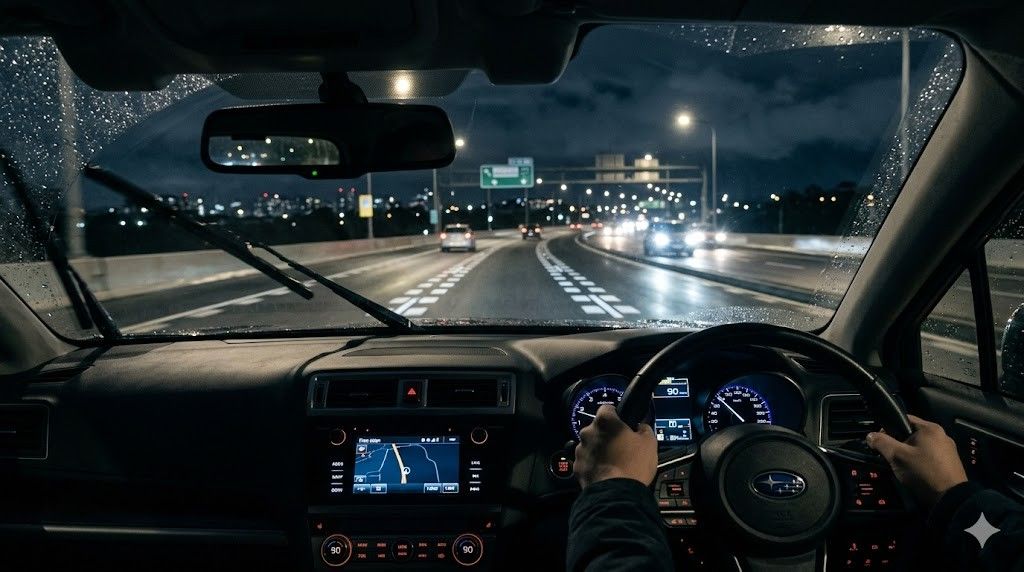
Driving at night can be challenging, especially if you are new behind the wheel. Low visibility, bright headlights, and fatigue can all make the experience harder. Because of this, many learners often wonder what counts as nighttime driving and what rules they need to follow.
In this guide, you will learn tips for driving at night, so that you feel more confident and drive safely after dark, even in the rain.
What Counts as Nighttime Driving?
Nighttime driving usually refers to any driving that happens between sunset and sunrise. In simple terms, it begins when natural daylight fades, and visibility becomes low. During this time, you cannot rely on sunlight to see the road clearly, so you must depend on your vehicle’s lights and your awareness.
The exact timing of night hours can change slightly depending on the season and location. For example, in summer, sunset happens later, so night driving starts later in the evening. In winter, it starts much earlier. However, the general idea remains the same; once it becomes dark enough that visibility is reduced, it is considered night driving.
Common Mistakes to Avoid While Driving at Night
Avoid driving too fast, misusing high beams, and ignoring fatigue, as these can increase the risk of accidents. Also, not keeping a safe distance or failing to stay alert can make night driving more dangerous.
- Driving Too Fast: Many drivers underestimate the impact of low visibility. Driving at high speed reduces your reaction time and increases the risk of accidents.
- Incorrect Use of High Beams: Using high beams at the wrong time can disturb other drivers and create dangerous situations. Always use them responsibly.
- Ignoring Fatigue: Driving while tired is one of the biggest risks at night. If you feel sleepy, your focus and reaction time decrease significantly.
- Not Checking Vehicle Lights: Headlights, taillights, and indicators must be working properly. If any of these fail, your visibility and communication with other drivers are affected.
- Poor Mirror Adjustment: If your mirrors are not adjusted properly, glare from other vehicles can reduce your vision and cause discomfort.
Night Time Driving Tips for Beginners
Drive at a slower speed and use your headlights properly to improve visibility at night. Stay alert, keep a safe following distance, and avoid distractions to ensure a safe and smooth drive.
Understand Your Visibility Limits
At night, you cannot see as far as you can during the day. Because of this, you need to rely more on your vehicle lights and awareness. Always keep your focus ahead and scan the road carefully. This helps you spot hazards early and react on time.
Control Your Speed and Distance
Driving fast at night increases risk because your reaction time is limited. So, always drive at a steady and safe speed. Also, maintain a safe following distance from the vehicle ahead. This gives you more time to slow down or stop when needed.
Manage Light and Glare Properly
Bright lights from other vehicles can affect your vision. Instead of looking directly at headlights, focus slightly on the side of the road. Use your high beams only when needed and switch them off quickly. Proper light management helps you stay comfortable while driving.
Stay Focused and Alert
Night driving requires more concentration than daytime driving. Avoid distractions like using your phone or adjusting controls. Also, if you feel tired, take a short break before continuing. Staying alert helps you make better decisions on the road.
Keep Your Vehicle in Good Condition
Your vehicle plays an important role in safe night driving. Make sure your headlights, brakes, and tires are working properly. Clean windows and mirrors also improve visibility. A well-maintained car helps you drive more safely and confidently.
Be Careful in Low-Light and Poor Conditions
Some roads may not have proper lighting, and the weather can make things worse. In such situations, reduce your speed and drive more carefully. Use your lights correctly and follow road markings. This helps you stay in control even in difficult conditions.
Watch Your Surroundings Closely
At night, it is harder to notice pedestrians, cyclists, or animals. So, always stay aware of what is happening around you. Check both sides of the road and use your mirrors regularly. This helps you avoid sudden surprises.
Plan and Drive Smart
Before starting your trip, make sure you know your route. This reduces stress and confusion while driving. Also, avoid unnecessary risks like sudden turns or quick lane changes. Smooth and planned driving makes night journeys safer.
Conclusion
Night driving may feel difficult at first, but it becomes easier with the right approach. When you understand night driving hours and follow simple safety tips, you can reduce risks and drive with more confidence. Small habits like controlling your speed, staying alert, and managing visibility can make a big difference.
If you want to improve your skills further, learning with a trusted driving school like Nirvana Driving can help you gain real confidence. With experienced instructors and flexible lessons, you can build safe driving habits and feel more comfortable on the road, both day and night. Call 045-053-0126 or book your driving lesson online with Nirvana Driving today!