
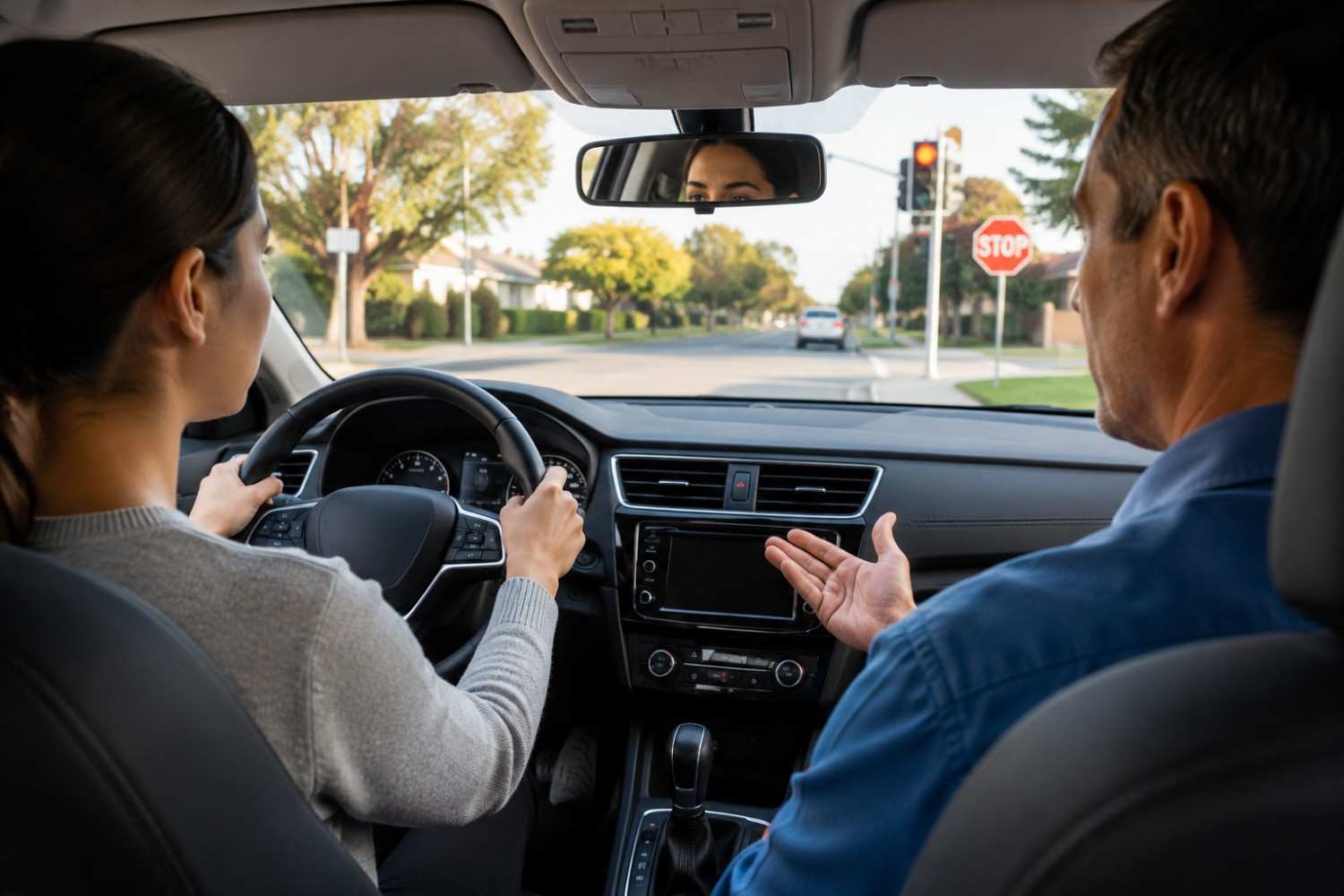
Smooth braking is a key part of safe and controlled driving. The way you apply the brakes affects how well you handle your vehicle, how comfortable the ride feels, and how quickly you can respond to changing road conditions.
For many learner drivers, braking can feel challenging at first. Sudden stops, braking too late, or applying too much pressure on the pedal are common mistakes that can affect vehicle control and confidence behind the wheel.
In this guide, we’ll cover how to brake properly while driving, different braking techniques for various situations, and common mistakes to avoid.
Key Highlights
- Smooth braking helps you maintain better control of your vehicle and creates a safer driving experience.
- Progressive braking allows you to slow down gradually without sudden stops or unnecessary vehicle movement.
- Different situations, such as emergency stops, wet roads, downhill driving, and corners, require different braking techniques.
- Avoiding common braking mistakes helps learner drivers improve confidence and prepare for real-world driving conditions.
Different Braking Techniques Drivers Should Know
Different braking techniques help drivers control their vehicles, reduce stopping distance, and respond safely in various driving situations.
1. Progressive Braking
Progressive braking means applying the brake gently at first, increasing pressure as needed, then easing off before the car stops. This helps you slow down smoothly without a sudden jolt.
It is useful in normal traffic, near intersections, at traffic lights, and when approaching parked vehicles or pedestrians.
2. Threshold Braking
Threshold braking means applying firm brake pressure without locking the wheels. It helps you stop quickly while keeping control of the car.
This technique is useful in urgent situations, but learner drivers should practise it only with a qualified instructor in a safe place.
3. Emergency Braking
Emergency braking is used when you need to stop suddenly to avoid a crash. Press the brake firmly and keep both hands on the wheel.
If your car has ABS, keep strong pressure on the brake and steer away from danger if needed. Do not pump the brake pedal.
4. Engine Braking
Engine braking means easing off the accelerator and using a lower gear to help slow the car. It reduces pressure on the brakes and helps control speed.
This technique is useful when driving downhill or approaching slower traffic. However, you should still use your brake lights when needed to warn drivers behind you.
5. Cadence Braking
Cadence braking means pressing and releasing the brake repeatedly to reduce wheel lock. It is mainly used in older cars without ABS.
Most modern cars have ABS, so drivers usually do not need this method. Learner drivers should follow their instructor’s advice before using it.
6. Trail Braking
Trail braking means gently keeping some brake pressure while entering a bend, then releasing it as you steer through. It can help balance the car in advanced driving situations.
For normal road driving, learner drivers should brake before turning. This keeps the car stable and reduces risk.
How to Brake Smoothly in Different Driving Situations
Smooth braking techniques vary depending on the driving situation, road conditions, and traffic environment. By braking early, applying steady pressure, and adjusting your approach for situations like traffic, turns, wet roads, and hills, you can maintain better control and improve overall driving safety.
1. Braking in Normal Traffic
In normal traffic, brake early and gently. Keep enough space from the car ahead so you do not need to stop suddenly.
Use light pressure first, then increase it if traffic slows more. Ease off the brake slightly before stopping to keep the car smooth.
2. Braking at Traffic Lights
When you see red or yellow lights ahead, release the accelerator early. Start braking before you get too close.
Avoid rushing to the lights and braking hard at the last moment. A smooth stop gives drivers behind you more time to react.
3. Braking Before Turns
Slow down before you enter the turn. Apply the brake while the car is still straight.
Once you reach a safe turning speed, ease off the brake and steer smoothly. Braking too hard during a turn can reduce control.
4. Braking in Wet Weather
Brake earlier in the rain or on wet roads. Tyres have less grip, so your car needs more distance to stop.
Use gentle brake pressure and avoid sudden movements. Keep a larger gap from the vehicle ahead.
5. Braking Downhill
When driving downhill, start slowing down early. Use gentle braking and select a lower gear if needed.
Avoid holding the brake pedal down for too long. This can overheat the brakes and reduce stopping power.
6. Braking in Heavy Traffic
In heavy traffic, keep your speed low and leave a safe gap. Avoid quick stop-start movements.
Brake gently and release the brake smoothly. This keeps the car stable and makes the drive more comfortable.
Struggling With Sudden Braking?
Learn how to brake smoothly, stop with confidence, handle emergency situations, and stay calm in real traffic with guidance from experienced driving instructors.
Book Your Driving LessonCommon Braking Mistakes Learner Drivers Make & How to Avoid
Learner drivers often make braking mistakes by reacting too late, applying too much pressure, or failing to adjust their braking technique to different road conditions. Developing good habits such as planning ahead, braking smoothly, maintaining a safe distance, and adapting to weather and traffic situations helps improve control and safety.
1. Braking Too Late
Leaving braking until the last moment can lead to harsh stops and increase the risk of a rear-end collision. To avoid this, look further ahead, notice changes in traffic early, and begin slowing down sooner. Early braking gives you more time to stop smoothly and safely.
2. Pressing the Brake Too Suddenly
Sudden pressure on the brake pedal can make the car jerk forward and may cause loss of grip in wet or slippery conditions. Instead, apply the brake gently at first, then increase pressure gradually as needed. This is known as progressive braking and is useful in everyday driving.
3. Not Easing Off Before Stopping
Many learner drivers keep the same brake pressure until the car comes to a complete stop, which often causes a final jolt. To avoid this, slightly reduce pressure just before stopping. This helps the car settle smoothly and keeps passengers more comfortable.
4. Braking Hard While Turning
Braking sharply during a turn can upset the car’s balance and reduce tyre grip. The safer approach is to slow down before entering the corner, release the brake smoothly, and then steer through the turn with control.
5. Following Too Closely
Driving too close to the vehicle ahead gives you less time to react and often leads to sudden braking. Keep a safe following distance, especially in traffic, wet weather, or at higher speeds. More space means smoother braking and better control.
6. Riding the Brakes Downhill
Keeping your foot on the brake for a long time while going downhill can cause the brakes to overheat and become less effective. Use a lower gear where appropriate to help control speed, and apply the brakes gently when needed instead of holding them continuously.
7. Ignoring Road and Weather Conditions
Braking the same way in all conditions is a common mistake. Wet, icy, gravel, or uneven roads need extra care because tyres have less grip. Slow down earlier, brake more gently, and leave a larger gap from other vehicles.
Conclusion
Learning how to brake properly while driving helps learner drivers build better control, confidence, and awareness on the road. Smooth braking is not about stopping suddenly; it is about reading the road early, applying the brake with steady pressure, and easing off at the right moment.
Many learner drivers struggle with late braking, harsh stops, and nervous reactions in traffic. These habits can make driving feel stressful and may affect performance during the driving test.
Nirvana Driving helps learner drivers improve these skills through practical, real-road driving lessons. With guidance from experienced instructors, you can practise smooth braking, safe following distance, emergency stops, and better hazard awareness. This helps you stay calm, control the car safely, and feel more prepared to pass your driving test. Book your driving lesson today with Nirvana Driving!
FAQs
1. Why does my car jerk when I brake?
Your car may jerk because you brake too late, press the pedal too hard, or keep firm pressure until the car stops. Smooth release helps reduce jerking.
2. Does the weight of the car affect braking distance?
Yes, a heavier vehicle generally requires more distance to stop because it has more momentum. This is why drivers should adjust their following distance and braking approach depending on the vehicle they are driving.
3. Can worn tyres affect how my car brakes?
Yes, tyres play an important role in braking because they provide grip between the vehicle and the road. Worn tyres can increase stopping distances, especially in wet conditions.
4. Why does my brake pedal feel different in different situations?
Brake pedal feel can change depending on factors such as vehicle type, braking system, road conditions, and how the brakes are being used. Any sudden or unusual changes should be checked by a qualified mechanic.
5. How does speed affect braking distance?
Higher speeds increase the distance needed to stop because the vehicle travels further before the brakes can bring it to a complete stop. Reducing speed gives you more time to react and brake safely.
6. How long does it take to learn proper braking technique?
The time required varies for each learner, but consistent practice and feedback from a driving instructor can help you develop smoother braking habits faster.