
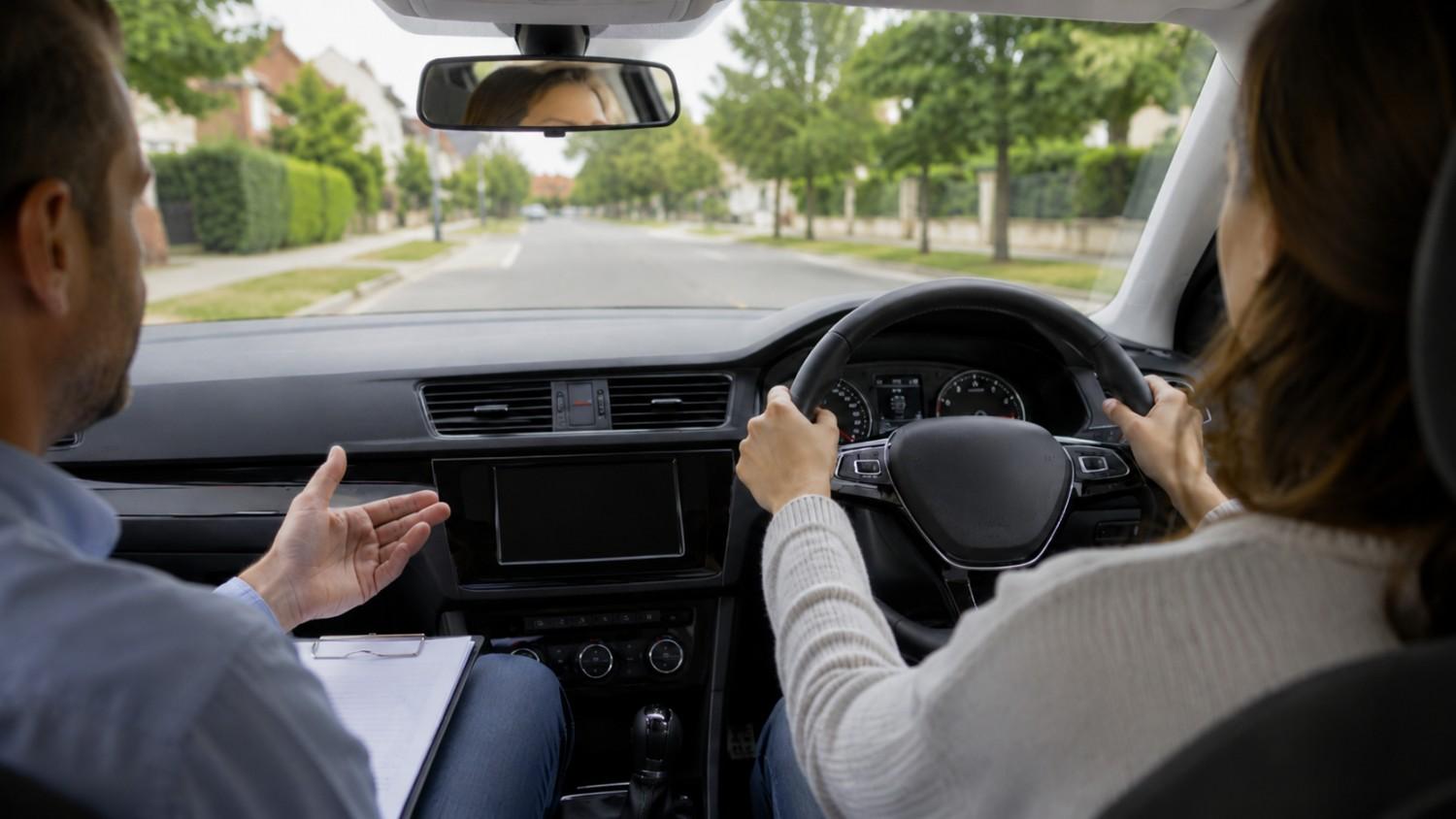
Holding the steering wheel correctly is one of the first habits every learner driver should develop. It may seem like a small detail, but your hand position affects how well you can control the car, steer smoothly, react to hazards, and stay safe on the road.
Many learner drivers focus on mirrors, pedals, road signs, and parking skills, but steering control is just as important. Poor steering habits, such as driving with one hand, gripping too tightly, or letting the wheel spin freely, can reduce control and may affect your confidence during a driving test.
The right steering wheel position helps you stay balanced, make smoother turns, and respond quickly if traffic conditions change.
In this guide, you will learn how to hold your steering wheel correctly, the main steering techniques learner drivers should know, and common steering mistakes to avoid.
Key Highlights
- The recommended steering wheel position for most modern cars is commonly known as the 9 and 3 position.
- Both hands should stay on the outside of the steering wheel for better control.
- Your grip should be firm but relaxed, not too tight.
- Smooth steering is safer than sudden or jerky movements.
- Push-pull steering is a useful technique for learner drivers.
- One-hand steering should be avoided during normal driving.
- Poor steering habits can affect your driving test performance.
- Good steering control helps with cornering, lane position, parking, and low-speed manoeuvres.
What Is the Correct Way to Hold a Steering Wheel?
The correct way to hold a steering wheel is to place both hands on the outside of the wheel, usually at the 9 o’clock and 3 o’clock positions. This means your left hand sits on the left side of the wheel and your right hand sits on the right side. This position gives you balanced control and allows you to steer smoothly without making large or awkward arm movements.
Improve Your Steering Control with Confidence
Learn the right steering wheel grip, smooth turning control, and safe hand position with professional driving lessons.
Book Your Driving LessonMain Steering Techniques Learner Drivers Should Know
Learner drivers should understand basic steering techniques such as push-pull steering, hand-over-hand steering, and controlled steering while reversing. These techniques help you steer smoothly, stay in control, and handle different driving situations safely.
1. Push-Pull Steering
Push-pull steering is one of the most common techniques taught to learner drivers. In this method, one hand pushes the steering wheel while the other hand pulls it. Your hands stay on opposite sides of the wheel and do not cross over each other.
This technique is useful because it helps you keep steady control of the vehicle. It also makes your steering smoother and reduces the chance of oversteering. Push-pull steering is often used for normal turns, corners, and general road driving.
2. Hand-Over-Hand Steering
Hand-over-hand steering is when one hand crosses over the other while turning the wheel. This technique may be useful during low-speed manoeuvres, such as parking, turning in tight spaces, or making sharp turns.
While it can help you turn the wheel quickly, it should be used carefully. Learner drivers should avoid making rushed or exaggerated movements. The main aim is to stay in control and return your hands to a safe position after the turn.
3. One-Hand Steering
One-hand steering is generally not recommended during normal driving because it reduces control. When only one hand is on the wheel, it can take longer to respond if the car needs sudden correction.
However, one-hand steering may be used briefly when reversing or operating essential vehicle controls, such as indicators, wipers, or gears. As soon as possible, both hands should return to the steering wheel.
4. Steering While Reversing
When reversing, you should look in the direction of travel and steer carefully. The car will move in the direction that the rear of the vehicle is pointing, so small steering movements are usually enough.
Do not rely only on mirrors when reversing. Turn your head, check around the vehicle, and move slowly. This helps you stay aware of pedestrians, cyclists, vehicles, and obstacles behind you.
How to Hold the Steering Wheel Correctly?
Hold the steering wheel with both hands on the outside of the wheel, usually at the 9 and 3 position, with your arms slightly bent and relaxed. Keep a firm but gentle grip so you can steer smoothly, stay in control, and react safely to road conditions.
Step 1: Sit in the Correct Driving Position
Adjust your seat so your arms are slightly bent, your shoulders stay against the seat, and you can reach the pedals comfortably.
Step 2: Place Your Hands at 9 and 3
Put your left hand at 9 o’clock and your right hand at 3 o’clock. Keep your hands on the outside of the wheel.
Step 3: Use a Firm but Gentle Grip
Avoid gripping the wheel too tightly. A firm but relaxed grip helps you steer smoothly and reduces fatigue. NHTSA recommends using the fingers rather than the palms and keeping thumbs along the face of the wheel.
Step 4: Keep Both Hands on the Wheel
At normal road speeds, both hands should stay on the steering wheel. South Australia’s Driving Companion notes that both hands should be on the steering wheel when the vehicle is travelling at normal road speeds.
Step 5: Steer Smoothly Through Corners
Use controlled steering rather than sudden movements. Avoid jerking the wheel, crossing your arms unnecessarily, or letting the wheel spin freely through your hands.
Common Steering Wheel Mistakes to Avoid
Common steering mistakes include driving with one hand, gripping the wheel too tightly, holding it at 12 o’clock, steering too late, or letting the wheel spin freely after a turn. Avoiding these habits helps learner drivers stay in control, steer smoothly, and perform better during everyday driving and the driving test.
1. Holding the Wheel Too Tightly
A tight grip can make your steering stiff and uncomfortable. It can also cause sudden or jerky movements, especially when turning corners. Keep your hands firm but relaxed so you can steer smoothly and respond calmly.
2. Driving With One Hand
Driving with one hand reduces your control of the car. It can also make it harder to react quickly if another vehicle stops suddenly, a pedestrian steps onto the road, or you need to avoid a hazard. During normal driving, keep both hands on the wheel whenever possible.
3. Holding the Wheel at 12 O’clock
Some drivers rest one hand at the top of the steering wheel, but this is not a safe or effective position. It limits your control and can make quick steering movements harder. Learner drivers should avoid this habit and keep their hands in a balanced position.
4. Letting the Steering Wheel Spin Back
After turning, some learners let the wheel slide or spin back through their hands. This can reduce control and may cause the car to straighten too quickly or unevenly. Instead, guide the wheel back smoothly with your hands.
5. Crossing Arms Too Much
Crossing your arms too much while steering can make it harder to control the vehicle, especially during sharp turns or quick corrections. Try to use smooth hand movements and avoid awkward arm positions.
6. Steering Too Late
Late steering can cause wide turns, poor lane position, or sudden corrections. Look ahead, plan early, and begin steering at the right time so the car follows a smooth path.
7. Oversteering
Oversteering happens when you turn the wheel more than necessary. This can make the car move too sharply and may cause poor road positioning. Use gentle and controlled steering movements, especially at higher speeds.
8. Understeering
Understeering happens when you do not turn the wheel enough. This can cause the car to drift wide during corners or turns. Learner drivers should practise judging how much steering is needed for different speeds and road situations.
9. Resting a Hand on the Gear Lever
In manual cars, some learners leave one hand on the gear lever after changing gears. This reduces steering control and creates a bad habit. Change gear when needed, then return your hand to the steering wheel.
Conclusion
Holding your steering wheel correctly is a simple habit that can make a big difference to your safety, confidence, and driving test performance. A good steering position gives you better control, smoother turns, and quicker reactions when road conditions change.
For most learner drivers, keeping both hands at the 9 and 3 position, using a firm but relaxed grip, and steering smoothly is the best approach. Avoid one-hand driving, sudden movements, and letting the wheel spin freely after turns.
With regular practice, correct steering will begin to feel natural. If you want to build safer driving habits and feel more prepared for your driving test, Nirvana Driving can help. Through structured driving lessons, learner drivers can practise correct steering techniques, improve car control, and gain confidence in real road conditions.
The more controlled and confident you are with the steering wheel, the safer and smoother your driving will become. Book your driving lesson with Nirvana Driving today and learn the right techniques from the start. Book your driving lesson today with Nirvana Driving!
FAQs
1. Is 10 and 2 still the best steering wheel position?
The 10 and 2 position was commonly taught in the past, but many modern driving instructors now recommend the 9 and 3 position. This gives better balance, smoother control, and is more suitable for modern cars with airbags and power steering.
2. Can you drive with one hand on the steering wheel?
You should avoid driving with one hand during normal driving because it reduces control. Both hands should stay on the steering wheel whenever possible. One-hand steering may only be used briefly when reversing or operating essential controls.
3. What steering mistakes can affect your driving test?
Common steering mistakes that may affect your driving test include driving with one hand, poor lane position, late steering, oversteering, understeering, letting the wheel spin back, and failing to maintain control during turns or manoeuvres.
4. Should you let the steering wheel slide back after turning?
No. You should guide the steering wheel back smoothly with your hands instead of letting it slide or spin freely. This helps you stay in control and keeps the car moving smoothly after a turn.
5. How tightly should you hold the steering wheel?
You should hold the steering wheel with a firm but relaxed grip. Do not grip it too tightly, as this can make your steering stiff and uncomfortable. A relaxed grip helps you steer smoothly and react calmly to road conditions.