
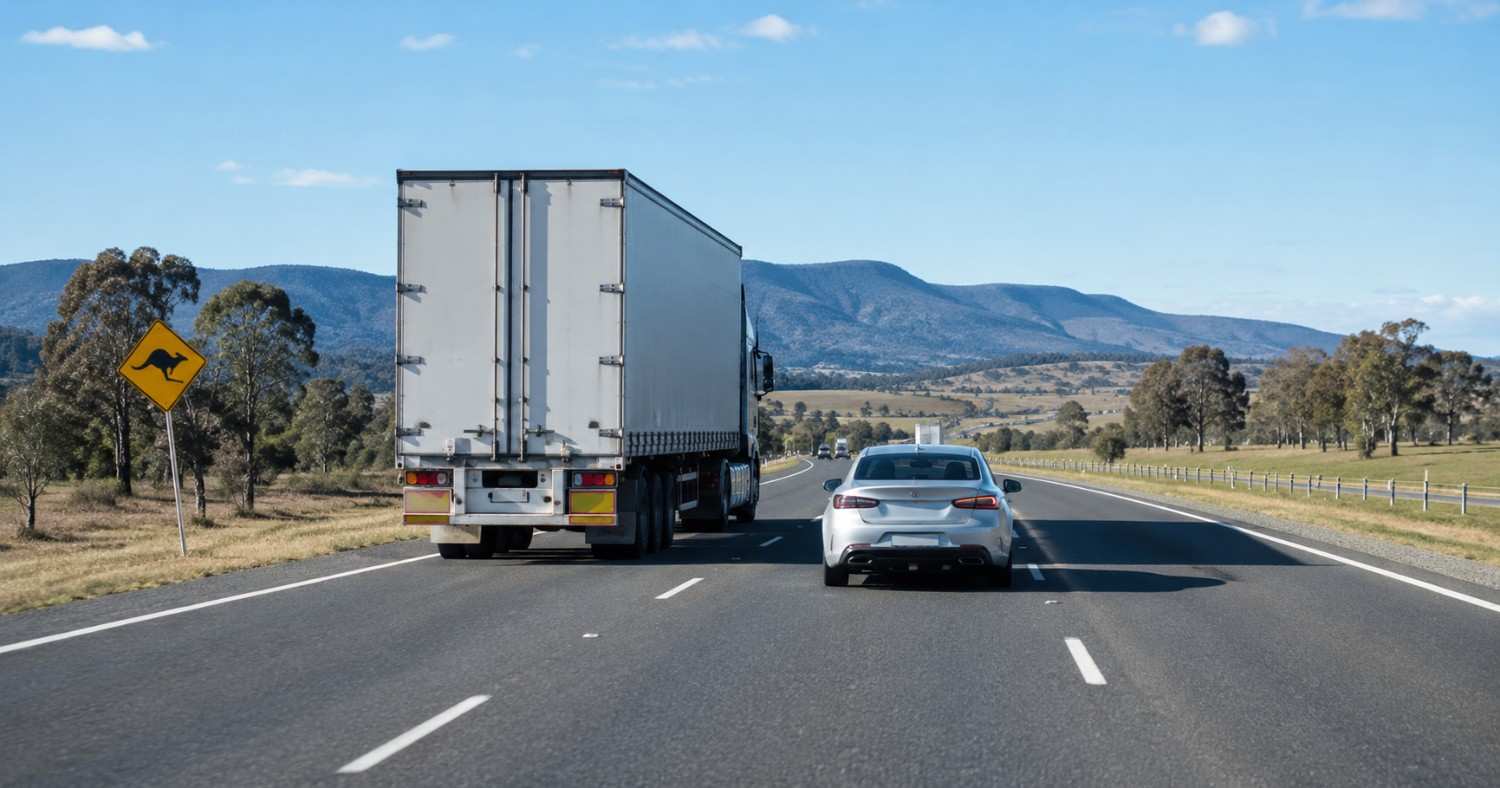
Sharing the road with trucks requires extra patience, awareness, and space. Trucks and other heavy vehicles are much larger and heavier than passenger cars, which means they cannot speed up, slow down, stop, or turn as easily as smaller vehicles. They also have larger blind spots, making it harder for truck drivers to see cars, cyclists, pedestrians, and motorcycles around them.
Whether you are a learner driver, a daily commuter, or someone travelling on highways, understanding how to drive safely near trucks can help reduce the risk of serious crashes. By giving trucks enough room, avoiding blind spots, and overtaking carefully, every driver can help make the road safer.
Key Highlights
- Trucks need more time and space to stop than cars.
- Heavy vehicles have large blind spots in front, behind, and beside them.
- Never cut in front of a truck or merge too closely.
- Avoid driving alongside a truck for too long when passing.
- Give trucks extra room when they are turning.
- Do not overtake a truck on a curve, hill, or when visibility is poor.
- Pass trucks safely, quickly, and without exceeding the speed limit.
- Stay patient, avoid aggressive driving, and let truck drivers complete their manoeuvres safely.
How to Drive Safely Near Trucks?
Driving safely near trucks starts with understanding their limitations. Heavy vehicles such as rigid trucks, semi-trailers, road trains, buses, tankers, cement trucks, and livestock transporters are much larger than standard cars and require more space on the road.
1. Stay Out of Truck Blind Spots
Truck blind spots are areas where the truck driver may not be able to see your vehicle. These areas are usually directly in front of the truck, directly behind it, beside the driver’s door, and along the passenger side, which can extend across multiple lanes.
A simple rule to remember is: if you cannot see the truck driver’s mirror, the truck driver probably cannot see you. Avoid sitting in these blind spots, especially when changing lanes, merging, or overtaking.
2. Keep a Safe Following Distance
Never tailgate a truck. Following too closely behind a heavy vehicle is dangerous because it blocks your view of the road ahead and reduces your time to react to hazards. Trucks may also need more space to stop safely, especially in wet weather, fog, wind, or poor visibility.
When driving behind a truck, leave enough room so you can see the road ahead and stop safely if traffic suddenly slows. Some driver-safety guidance recommends staying at least four seconds behind a truck and increasing that distance in bad weather.
3. Give Trucks Room to Turn
Trucks often need extra space to turn at intersections, corners, and roundabouts. Some heavy vehicles may need to use more than one lane to complete a turn safely. If a truck displays a “Do Not Overtake Turning Vehicle” sign, it may legally take up more than one lane while turning.
Never try to squeeze between a turning truck and the kerb. Stay back, watch the truck’s indicators, and allow the driver enough space to complete the turn.
4. Never Cut in Front of a Truck
Cutting in front of a truck is one of the most dangerous mistakes drivers can make. Trucks need more room to stop than cars, so if you merge too closely and then slow down, the truck driver may not have enough time or distance to avoid a crash.
When merging in front of a truck, make sure there is a large gap before moving into the lane. Do not pull in front of a truck near traffic lights, stop signs, or slowing traffic.
5. Overtake Trucks Safely
Only overtake a truck when it is safe and legal to do so. On highways or motorways, use overtaking lanes where possible. On single-lane roads, only overtake when you have a clear view of the road ahead.
Before overtaking, indicate early, check your mirrors and blind spots, and make sure you have enough space. Pass the truck promptly without exceeding the speed limit, and do not move back into the lane until you can see the full truck in your rear-view mirror.
6. Be Careful Around Road Trains and Oversize Loads
Road trains can be extremely long. Queensland road-safety guidance notes that road trains can be up to 53.5 metres long, about the length of 10 cars, and their trailers may sway while you pass.
When approaching an oncoming road train on a narrow road, slow down, move toward the shoulder if safe, and stop if needed. If you are near an oversize load, follow the escort vehicle’s directions and leave plenty of room.
Build Confidence Around Trucks and Heavy Vehicles
Learn how to keep a safe distance, avoid truck blind spots, overtake safely, and handle real road situations with professional driving lessons.
Book Your Driving LessonWhat Not to Do Alongside a Truck When Passing
Passing a truck requires calm and careful driving. Because trucks are long, heavy, and have large blind spots, poor overtaking decisions can quickly become dangerous.
1. Do Not Linger Beside a Truck
Avoid driving alongside a truck for longer than necessary. The side areas of a truck are major blind spots, especially on the passenger side. If you stay beside a truck, the driver may not know you are there.
When passing, do it safely and steadily. Do not rush dangerously, but do not sit beside the truck for an extended period either.
2. Do Not Overtake on Curves or Hills
Never overtake a heavy vehicle on a curve or hill because you may not be able to see far enough ahead. Hidden traffic, limited visibility, and the length of the truck can make the manoeuvre unsafe.
Wait for a straight, clear section of road where you have enough time and distance to pass safely.
3. Do Not Pull Back in Too Early
After passing a truck, do not merge back too soon. Trucks have a blind spot directly in front, and cutting back in too closely reduces the truck driver’s safe stopping distance. Wait until you can see the whole truck in your rear-view mirror before returning to the lane.
4. Do Not Pass a Turning Truck
If a truck is indicating or beginning to turn, stay behind it. Trucks may swing wide or use more than one lane when turning. Trying to pass during a turn can put your vehicle in a dangerous position.
5. Do Not Drive Aggressively Around Trucks
Avoid sudden lane changes, speeding, tailgating, and weaving through traffic near trucks. Heavy vehicles cannot respond as quickly as cars, so aggressive driving gives truck drivers less time to react.
Patience is one of the most important safety habits when sharing the road with heavy vehicles.
6. Do Not Use Truck Rest Stops Unnecessarily
Truck drivers are required to manage fatigue, and rest stops are important for them to take legally required breaks. If you are travelling with a caravan or light vehicle, use a caravan park, parking area, or suitable rest area instead of occupying truck-only spaces.
Conclusion
Sharing the road with trucks is about respect, patience, and awareness. Heavy vehicles are essential for transport and freight, but they operate very differently from cars. They need more space to stop, more room to turn, and more time to respond to changing traffic conditions.
To stay safe, keep out of truck blind spots, leave a safe following distance, never cut in front of a truck, and overtake only when it is safe. Small decisions, such as waiting a few extra seconds or giving a truck more room, can make a big difference in preventing crashes and helping everyone reach their destination safely. Book your driving lesson today with Nirvana Driving!
FAQs
1. Why do trucks have larger blind spots than cars?
Trucks are longer, wider, and higher than cars, which creates larger areas around the vehicle that the driver may not be able to see. These blind spots are commonly located directly in front, directly behind, beside the driver’s door, and along the passenger side.
2. How far should I stay behind a truck?
You should leave enough space to see the road ahead and stop safely. Some driving-safety guidance recommends keeping at least a four-second gap behind heavy vehicles and increasing that distance in bad weather or low visibility.
3. Is it safe to overtake a truck?
Yes, but only when it is legal and safe. Make sure the road ahead is clear, indicate early, pass promptly without speeding, and do not merge back until you can see the full truck in your rear-view mirror.
4. What should I avoid when passing a truck?
Do not linger beside the truck, do not pass on a curve or hill, do not cut back in too closely, and do not overtake when the truck is turning or indicating. These actions can place your car in the truck’s blind spot or reduce the truck driver’s stopping distance.
5. What does “Do Not Overtake Turning Vehicle” mean?
This sign means the heavy vehicle may need extra space to turn and may use more than one lane at corners, intersections, or roundabouts. Drivers should stay back and never try to pass while the truck is turning.
6. What should I do if a truck is overtaking me?
Maintain your speed and position until the truck begins overtaking. If needed, gently ease off the accelerator so the truck can pass safely, then return to your normal safe travelling speed.
7. Why should I not cut in front of a truck?
Trucks take longer to stop than cars. If you merge in front of a truck too closely and slow down, the driver may not have enough time to brake safely. Always leave a generous space before moving into a truck’s lane.