
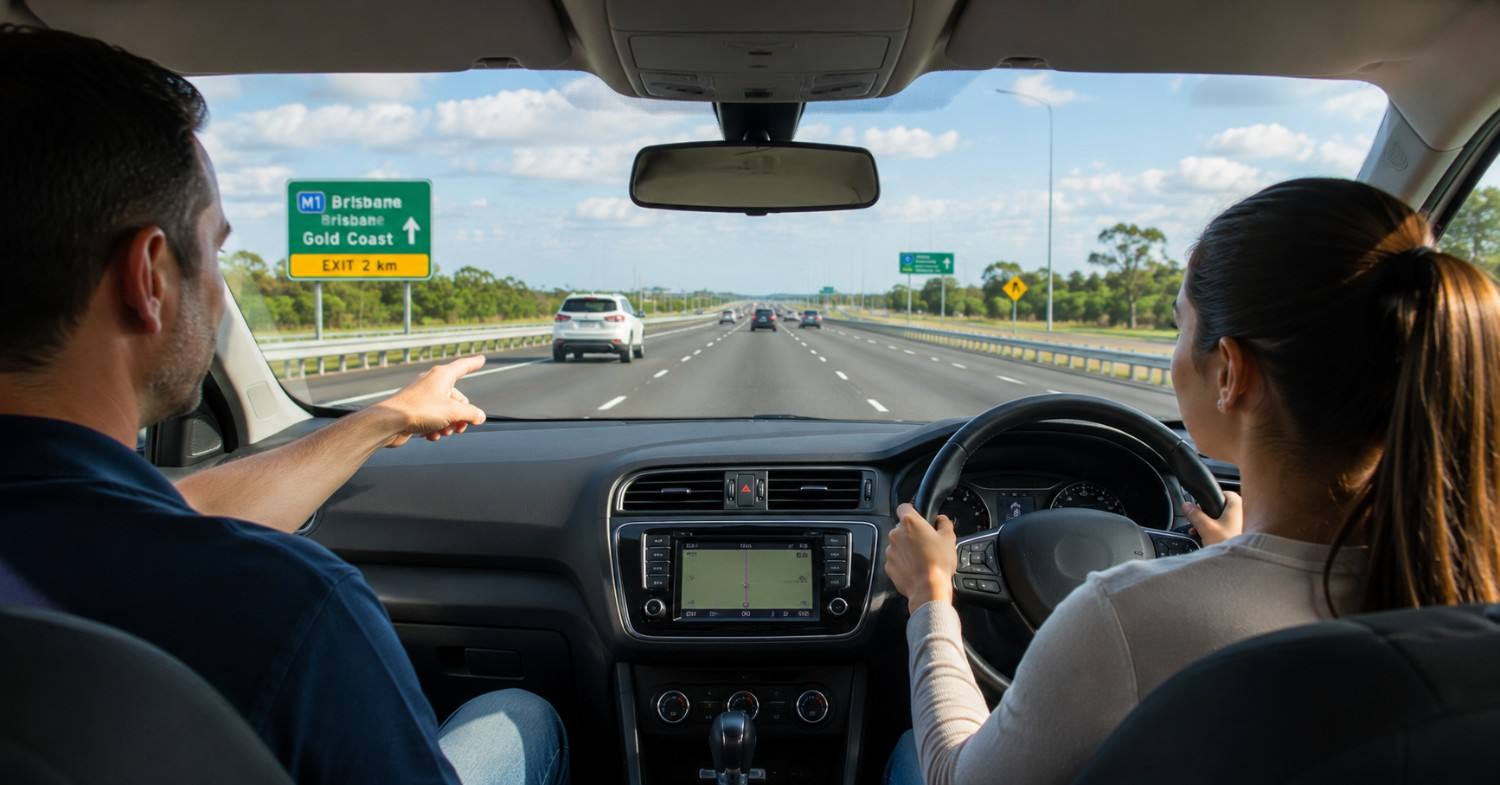
Highway driving is a major step for any new driver. The road environment changes quickly: vehicles move faster, lanes are busier, exits come up sooner than expected, and merging requires confident decision-making. Because of this, it helps to understand the basics before joining highway traffic for the first time.
With the right preparation, highway driving becomes much more manageable. Simple habits like checking your vehicle, planning your route, keeping a safe distance, using mirrors properly, and choosing the correct lane can make the experience safer and less stressful.
This guide explains the key things to know before driving on the highway, including how to prepare, what to watch for and mistakes to avoid.
Key Highlights
- Before your first highway drive, check your vehicle, route, weather, traffic, and fuel level.
- Safe merging, correct lane use, and early indicators help you move with highway traffic smoothly.
- Keeping a safe following distance gives you more time to react at higher speeds.
- Avoid common mistakes like tailgating, distracted driving, sudden lane changes, and driving while tired.
First Highway Drive Checklist
Before your first highway drive, take a few minutes to prepare your route and your car. Know where you will enter the highway, which exit you need to take, and what lanes you may need to use. Also, check the weather, traffic, fuel level, tyres, brakes, mirrors, lights, and indicators before you start.
You should also set your GPS before moving and keep your phone away while driving. If you are not confident yet, practise during a quiet time with a driving instructor or a calm supervisor. This helps you learn how to merge, control your speed, keep a safe gap, and change lanes without panic.
Why Highway Driving Feels Different From Local Roads
Highway driving feels different from local road driving because everything happens at a faster pace. Vehicles travel at higher speeds, stopping distances are longer, and drivers have less time to react to sudden changes in traffic. Unlike local roads, where there are frequent stops, turns, intersections, and slower traffic flow, highways are designed for continuous movement, which means drivers need to stay more alert and look further ahead.
The road environment is also different because highways usually have multiple lanes, merging traffic, exits, overtaking vehicles, and more heavy vehicles such as trucks and buses. These conditions can make the drive feel more intense for new drivers, especially when judging gaps, changing lanes, or keeping a safe distance from faster-moving traffic.
Things To Know Before Driving On The Highway
Plan your route, follow the speed limit, merge safely, use the correct lane, keep a safe following distance, and signal before changing lanes. Stay alert around heavy vehicles, adjust for poor weather, and prepare for your exit early.
1. Plan Your Route in Advance
Highway driving becomes easier when you know where you are going before you start. Check which highway entrance you will use, where your exit is, and which lanes you may need to be in. Setting your GPS before you drive can also help you avoid distractions while on the road.
2. Know the Speed Limit
Highways usually have higher speed limits than local roads, so it is important to follow the posted speed limit and drive at a safe speed for the conditions. Learner and provisional drivers should also be aware of any licence-based speed restrictions that apply in their state or territory.
3. Merge Smoothly Onto the Highway
Merging lanes is one of the most important skills for highway driving. As you enter the highway, use the on-ramp to build speed, check your mirrors, look over your shoulder for blind spots, indicate clearly, and choose a safe gap in traffic. A smooth merge helps other drivers understand your movement and keeps traffic flowing safely.
4. Use the Correct Lane
Once you are on the highway, stay in the left lane unless you need to overtake, avoid an obstruction, or follow road signs that direct you otherwise. The right lane is generally used for overtaking, so sitting in it unnecessarily can disrupt traffic flow and create pressure from faster vehicles behind you.
5. Keep a Safe Following Distance
At highway speeds, your car needs more time and space to stop. Keeping a safe following distance from the vehicle in front gives you more time to react if traffic slows suddenly. A good rule is to leave at least a three-second gap in normal conditions and increase that gap in rain, fog, heavy traffic, or poor visibility.
6. Use Indicators Early
Indicators are essential on highways because vehicles are moving quickly, and drivers need time to respond. Signal before merging, changing lanes, overtaking, or exiting the highway. After completing your move, cancel the indicator so other drivers are not confused about your intentions.
7. Be Careful Around Trucks and Heavy Vehicles
Highways often have more trucks, buses, and long vehicles than local roads. These vehicles need more space to stop and have larger blind spots, so avoid cutting in front of them or driving beside them for too long. Giving heavy vehicles extra room helps reduce risk and gives everyone more time to react.
8. Adjust Your Driving in Poor Conditions
Rain, fog, strong wind, night driving, or low visibility can make highway driving more challenging. In poor conditions, slow down, increase your following distance, turn on your lights when needed, and avoid sudden braking or sharp steering. If conditions feel unsafe, it is better to delay the trip or take a safer route.
9. Plan Your Exit Early
Highway exits can come up quickly, so move into the correct lane early and avoid last-minute lane changes. If you miss your exit, do not brake suddenly or swerve across lanes. Continue driving safely and take the next available exit.
Build Confidence for Highway Driving
Practise safe merging, lane changing, speed control, and blind spot checks with professional driving lessons.
Book Your Driving LessonCommon Highway Driving Mistakes to Avoid
Avoid common highway mistakes such as tailgating, speeding, distracted driving, failing to signal, improper merging, and making sudden lane changes. Stay alert, check blind spots, give trucks extra space, adjust for weather, and never make unsafe maneuvers if you miss an exit.
1. Following Too Closely (Tailgating)
Maintaining a safe following distance gives you enough time to react if the vehicle ahead suddenly slows down or stops. A good rule is to keep at least a three-second gap, increasing it in bad weather or heavy traffic.
2. Not Checking Blind Spots
Mirrors alone cannot show every vehicle around you, so always check your blind spots before changing lanes. This simple habit helps prevent collisions and makes lane changes much safer.
3. Driving Too Slowly in the Passing Lane
The passing lane should be used only for overtaking slower vehicles. Once you’ve passed, return to your regular lane to keep traffic flowing smoothly and reduce congestion.
4. Failing to Use Turn Signals
Using your turn signals lets other drivers know your intentions before you change lanes or exit the highway. Signalling early helps prevent confusion and reduces the risk of accidents.
5. Speeding or Driving Too Fast for Conditions
Driving above the speed limit or too fast for road conditions reduces your reaction time and increases stopping distance. Always adjust your speed based on traffic, weather, and visibility.
6. Distracted Driving
Using a phone, eating, or adjusting in-car controls can take your attention off the road for critical seconds. Stay focused on driving to react quickly to changing traffic conditions.
7. Improper Merging
When entering a highway, accelerate to match the speed of traffic and merge only when there is a safe gap. Avoid stopping at the end of an entrance ramp unless absolutely necessary.
8. Ignoring Large Trucks’ Blind Spots
Large trucks have significant blind spots on all sides, making it harder for drivers to see nearby vehicles. Pass trucks carefully and avoid lingering beside or directly behind them.
9. Making Sudden Lane Changes or Braking
Abrupt lane changes or hard braking can surprise other drivers and increase the chance of collisions. Plan your route ahead and make smooth, gradual movements whenever possible.
10. Driving While Tired
Fatigue affects your concentration, judgment, and reaction time, making highway driving more dangerous. If you feel sleepy, pull over at a safe location and rest before continuing your journey.
11. Not Adjusting for Weather
Rain, fog, snow, and strong winds can reduce visibility and road grip. Slow down, increase your following distance, and use your headlights when conditions require.
12. Missing an Exit and Making Unsafe Maneuvers
If you miss your exit, continue to the next one instead of making sudden lane changes or reversing. A short detour is much safer than risking a serious accident.
Conclusion
Highway driving becomes easier when you prepare well and know what to expect. Before your first drive, check your car and plan your route. Keep a safe gap, use lanes correctly, and avoid sudden moves. With practice and the right guidance, you can build confidence and drive safely on faster roads.
If you are nervous about highway driving or preparing for your driving test, professional support can help. Nirvana Driving helps new drivers build confidence through structured lessons, practical guidance, and real-road driving experience.
With an experienced instructor beside you, you can practise merging, lane changing, speed control, blind spot checks, and safe decision-making. This can help you become a safer driver and feel more prepared for your driving test.
FAQs
1. What should I check before driving on the highway?
Before driving on the highway, check your fuel, tyres, brakes, mirrors, lights, indicators, and weather conditions. You should also plan your route and set your GPS before you start driving.
2. What should I do if I miss my highway exit?
If you miss your exit, keep driving and take the next safe exit. Do not brake suddenly, reverse, or cut across lanes. A short detour is much safer than making a risky move.
3. How can I build confidence before my first highway drive?
Start with proper preparation and practice during a quieter time of day. Drive with a professional instructor or calm supervisor. This helps you learn merging, lane changing, speed control, and safe decision-making in real traffic conditions.