
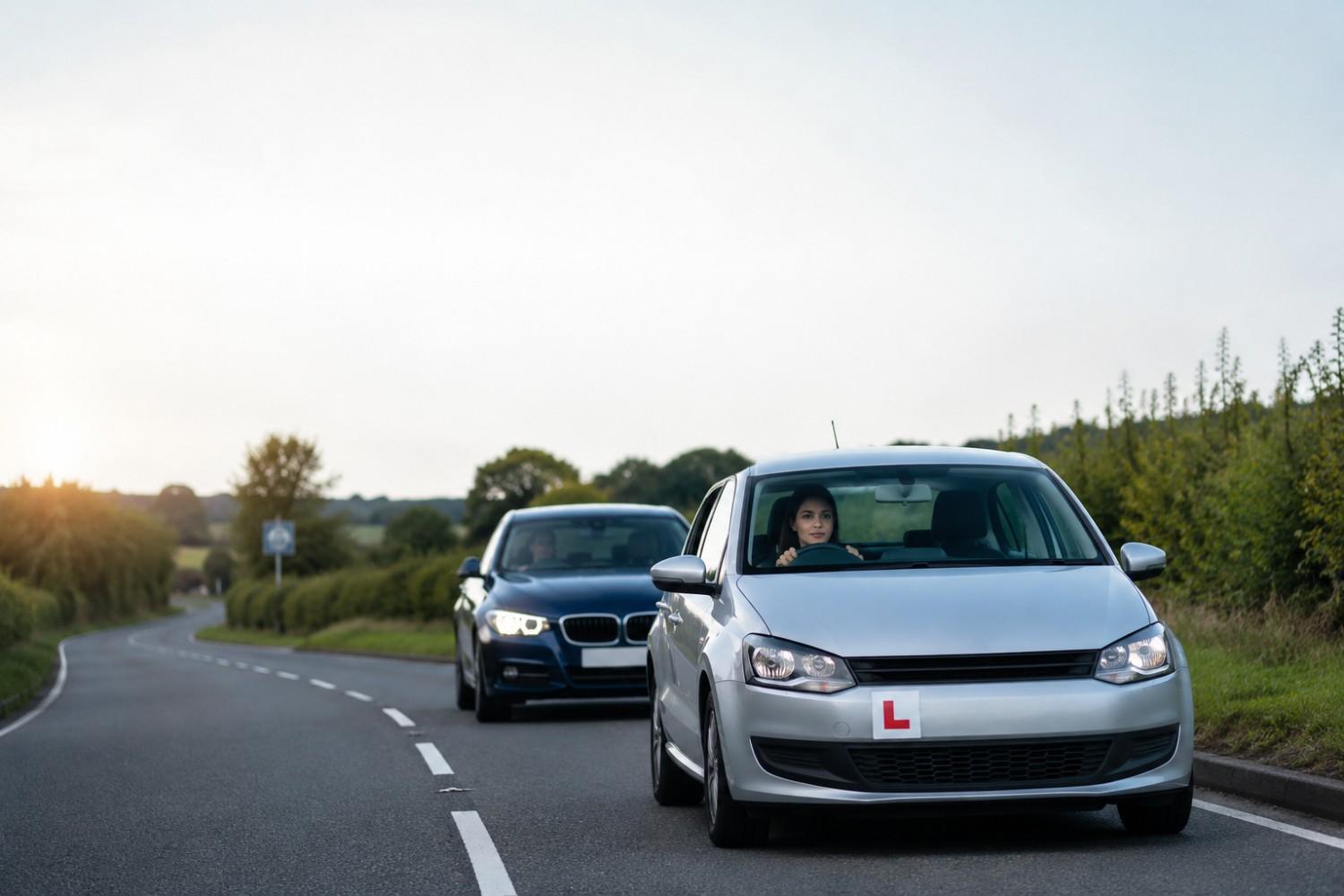
Tailgating can be stressful, dangerous, and frustrating, especially for learner drivers and new drivers who are still building confidence on the road. When another driver follows too closely behind you, it can feel like they are pressuring you to speed up, make quick decisions, or move out of the way. But reacting the wrong way can increase the risk of a crash.
The safest way to deal with tailgating drivers is to stay calm, keep control of your vehicle, and focus on safe driving rather than the behaviour of the driver behind you.
In this guide, we’ll explain what tailgating is, why it is dangerous, how to deal with tailgating drivers, and what mistakes you should avoid.
Key Highlights
- Tailgating occurs when a driver follows too closely behind the vehicle in front, failing to leave adequate space.
- It is dangerous because it eliminates the necessary reaction time and stopping distance needed to avoid a rear-end collision if the lead vehicle brakes suddenly.
- If someone is tailgating you, stay calm, maintain a safe and consistent speed, avoid sudden braking, and allow them to pass when it is safe while keeping your focus on the road ahead.
- When someone is tailgating you, avoid reacting with sudden braking, speeding, or aggressive behaviour, as these actions can increase the risk of an accident and escalate the situation.
What Is Tailgating and Why Is It Dangerous?
Tailgating is the dangerous practice of driving too closely behind another vehicle without leaving enough space to stop safely in an emergency. It significantly cuts down your reaction time and represents a major form of aggressive driving that routinely triggers preventable road traffic accidents.
Why Tailgating Is Dangerous
- Eliminates Reaction Time: Drivers lack the physical time required to process sudden braking ahead.
- Triggers Rear-End Crashes: It is a primary catalyst for common nose-to-tail road collisions.
- Blocks Road Visibility: Following closely obscures your forward line of sight regarding hazards.
- Induces Driver Stress: The motorist ahead experiences heightened anxiety, leading to critical handling errors.
- Escalates Road Rage: Deliberate tailgating intimidates other drivers and creates aggressive, violent confrontations.
- Causes Traffic Jams: Sharp, sudden braking ripples backward to create sudden phantom traffic bottlenecks.
Feel Nervous When Drivers Follow Too Closely?
Learn how to stay calm, control your speed, handle pressure from aggressive drivers, and make safe decisions when someone is tailgating you.
Book Your Driving LessonWhat to Do When Someone Is Tailgating You While Driving?
When someone is tailgating you, stay calm, maintain a safe and consistent speed, and focus on driving predictably rather than reacting to the driver behind you. By using defensive driving techniques and letting the tailgating driver pass when it is safe, you can reduce the risk of an accident and keep yourself and other road users safe.
1. Stay Calm and Focus on the Road
The first step is to stay calm. Don’t let the tailgating driver pressure you into making unsafe decisions. Keep your attention on the road, maintain control of your vehicle, and avoid reacting emotionally.
2. Maintain a Safe and Consistent Speed
Continue driving at a safe, legal speed. Avoid speeding up to satisfy the tailgater or slowing down out of frustration. Driving at a consistent speed makes your actions predictable and reduces the risk of rear-end collisions.
3. Increase Your Following Distance
Leave more space between your vehicle and the one in front of you. This gives you extra time to slow down gradually if traffic stops suddenly, reducing the chance that the tailgater will crash into you.
4. Let the Tailgater Pass When It’s Safe
If you’re on a multi-lane road, move to the right lane or another appropriate lane when it’s safe. On single-lane roads, use a designated turnout or safe pull-off area if available. Allowing the driver to pass is often the safest solution.
5. Never Brake Check the Driver
Avoid intentionally braking suddenly to scare or punish the tailgater. Brake checking can cause a rear-end collision and may leave you partially responsible for the crash. If you need to slow down, do so gradually.
6. Avoid Engaging With the Driver
Don’t make eye contact, honk unnecessarily, or use rude gestures. Engaging with an aggressive driver can escalate the situation into road rage. Instead, focus on driving safely.
7. Signal Early Before Slowing or Turning
Give the tailgating driver as much notice as possible before changing lanes, turning, or slowing down. Use your turn signals early and brake smoothly to reduce the risk of a rear-end collision.
8. Stay in the Correct Lane
If you’re driving on a highway, avoid remaining in the passing lane unless you’re actively overtaking another vehicle. Staying in the appropriate lane allows faster traffic to pass safely and can reduce tailgating incidents.
9. Pull Over Only if Necessary
If the tailgater refuses to pass and you’re on a road where it’s safe to pull over, consider stopping in a well-lit, public location to let the driver continue. Never stop in an isolated area or confront the driver.
10. Contact Emergency Services if You Feel Threatened
If the driver is behaving aggressively, attempting to force you off the road, or following you for an extended period, drive to a busy public place or police station and call emergency services. Do not drive home if you believe you’re being followed.
You may also read: What Is a Safe Following Distance When Driving?
What Not to Do When Someone Is Tailgating You
When someone is tailgating you, your top priority is safety. Never brake check, speed up, make aggressive gestures, or maintain a slow speed in the passing lane.
1. Don’t Slam on Your Brakes
Never brake suddenly or “brake-check” a tailgating driver. This can cause the vehicle behind you to crash into your car and may lead to a serious accident. Instead, brake smoothly and only when necessary.
2. Don’t Speed Up
It may seem like driving faster will create more distance, but speeding reduces your reaction time and increases the severity of any potential collision. Stick to the posted speed limit and drive at a safe, consistent pace.
3. Don’t Respond Aggressively
Avoid making rude gestures, shouting, or trying to confront the other driver. Aggressive behaviour can escalate road rage and make the situation more dangerous for everyone on the road.
4. Don’t Block Them from Passing
If it’s safe to do so, move to the right lane or pull over at a suitable location to let the tailgating driver pass. Intentionally preventing them from overtaking can increase frustration and encourage reckless driving.
5. Don’t Make Sudden Lane Changes
Quick or unexpected lane changes can confuse other drivers and increase the risk of a collision. Always signal your intentions, check your mirrors and blind spots, and change lanes only when it is safe.
6. Don’t Panic
Feeling stressed is natural, but panicking can lead to poor decisions. Stay focused, keep both hands on the wheel, and continue driving predictably. Calm, controlled driving helps reduce the chance of an accident.
7. Don’t Stop to Confront the Driver
Never pull over just to argue with or challenge a tailgating driver. If the situation feels threatening, continue driving to a busy, well-lit public area or contact local authorities if necessary.
Conclusion
Tailgating is one of the most common forms of aggressive driving, and it can be intimidating, particularly for learners and new drivers. However, the key to handling the situation is to remain calm, avoid reacting emotionally, and continue driving safely and predictably.
Rather than trying to teach the tailgating driver a lesson, focus on maintaining a safe speed, increasing your following distance, signalling your intentions early, and allowing the driver to pass whenever it is safe to do so. These simple defensive driving techniques can significantly reduce the risk of a rear-end collision.
If you’re still building confidence behind the wheel, practising these situations with professional guidance can make a significant difference. At Nirvana Driving, our experienced driving instructors help learner drivers develop defensive driving skills, manage challenging road situations such as tailgating, and build the confidence needed to stay calm and make safe decisions in real-world traffic. Book your driving lesson today with Nirvana Driving!
FAQs
1. What is the best way to deal with a tailgating car?
The best way to deal with a tailgating car is to stay calm, avoid sudden reactions, maintain a safe speed, and increase the distance between your vehicle and the one ahead. If it is safe, allow the tailgating driver to pass so you can continue driving without unnecessary pressure or risk.
2. Is tailgating always intentional?
No, not every driver who follows too closely is doing it deliberately. Some drivers may misjudge the distance, be distracted, or be unaware that they are too close. However, it remains unsafe regardless of the reason.
3. Should I use my hazard lights if someone is tailgating me?
Generally, hazard lights should only be used for emergencies or when your vehicle is stopped or creating a hazard. They should not be used to warn or respond to a tailgating driver.