
Author: Prakash Pandey
-
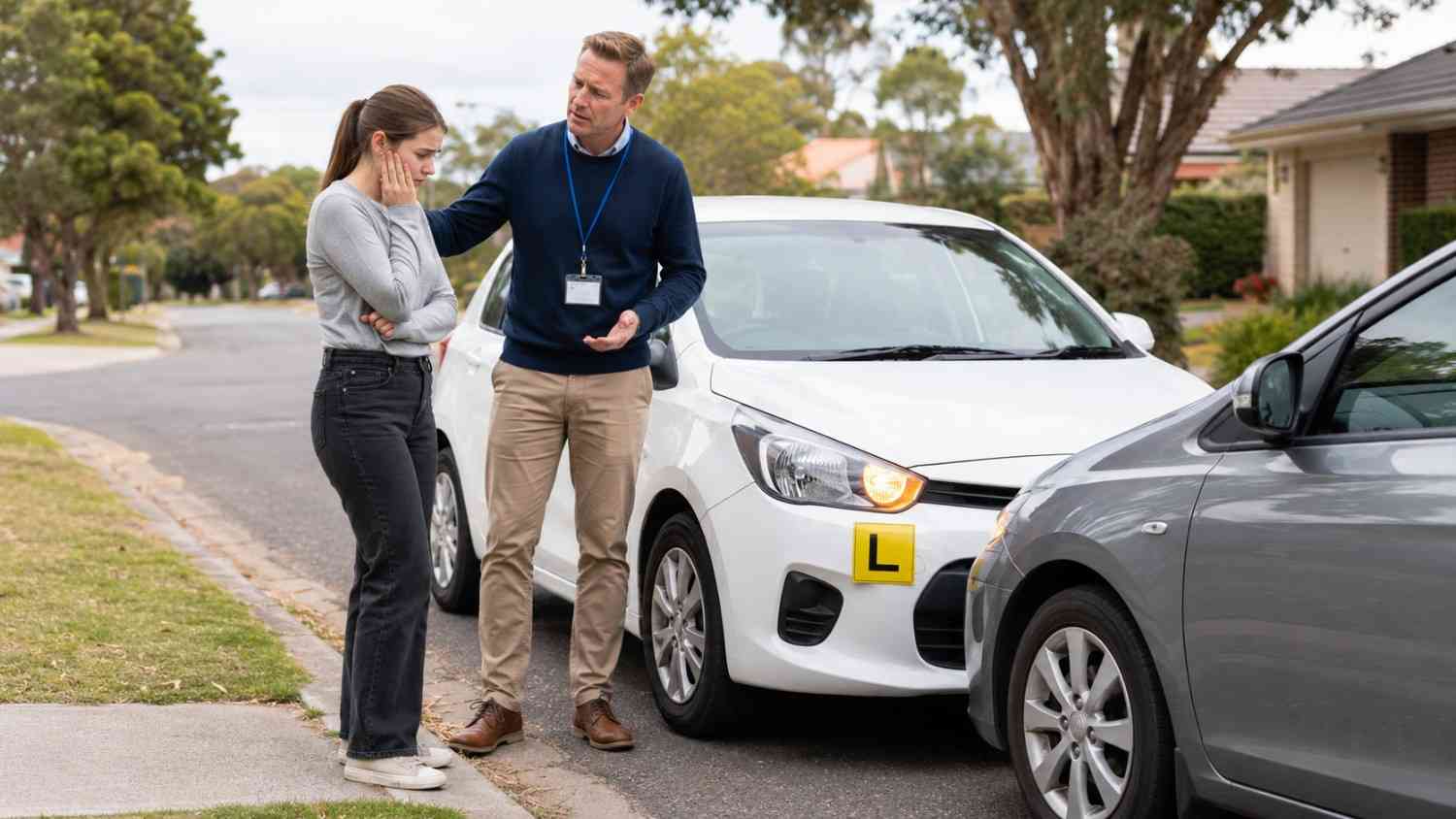
An accident during a driving lesson can feel stressful, especially for a learner driver. You may feel confused about what to do next, who is responsible, and whether insurance will cover the damage. In Australia, responsibility depends on how the accident happened. The learner, instructor, driving school, another driver, or more than one person may…
-
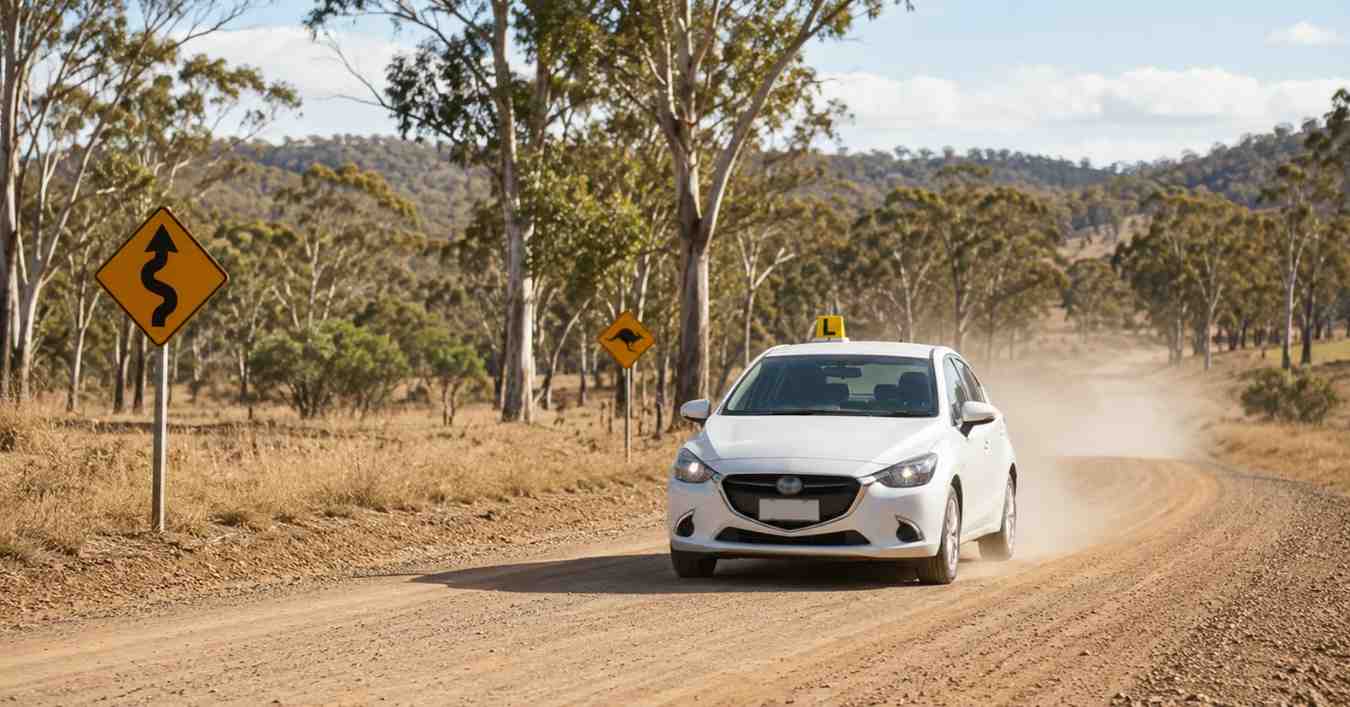
Driving on dirt roads is very different from driving on sealed roads. The surface can be loose, dusty, uneven, or slippery, which means drivers need to slow down and stay extra alert. In Australia, dirt and gravel roads are common in rural, regional, and outdoor travel areas. Learner drivers may also come across them during…
-
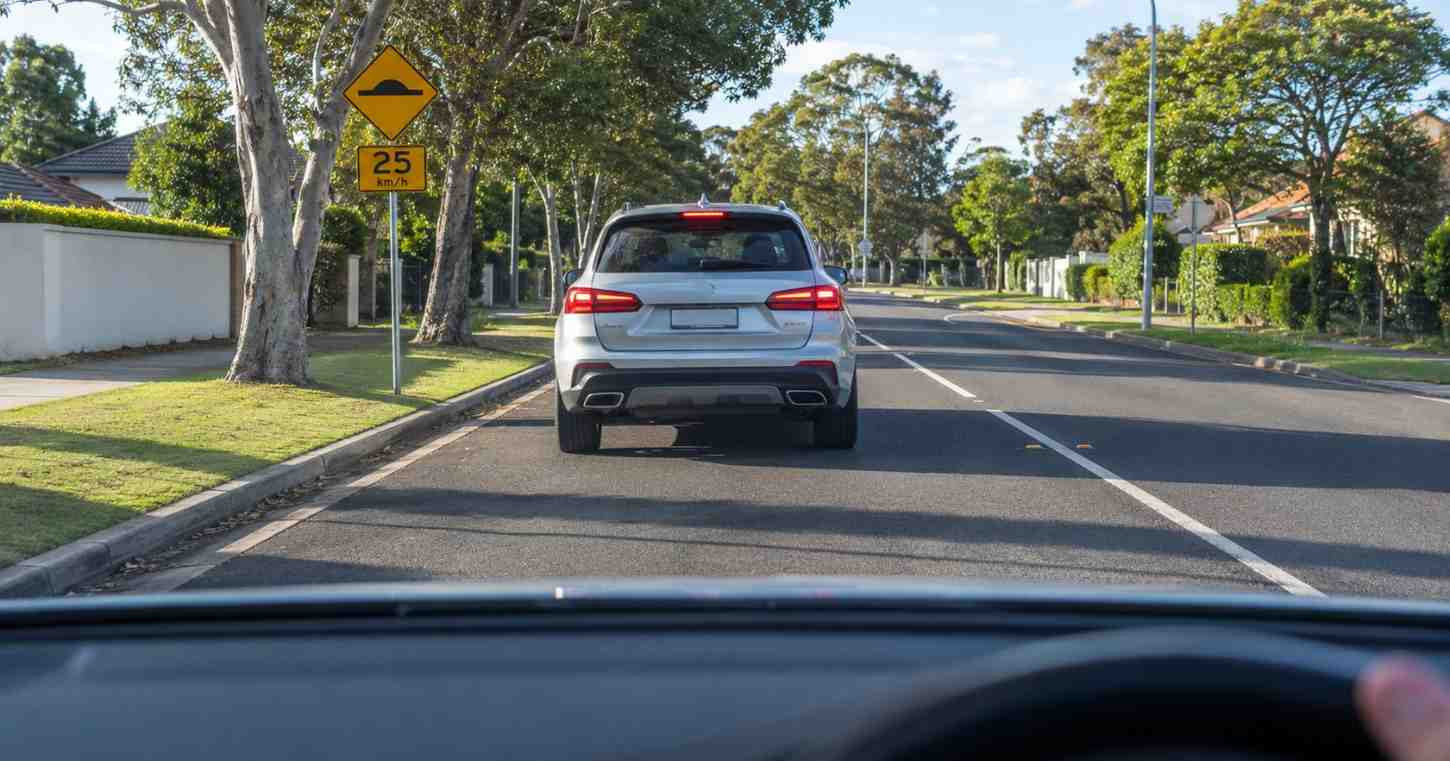
Rear-end collisions are one of the most common accidents on Australian roads, especially in heavy traffic, near intersections, roundabouts, pedestrian crossings, and school zones. These accidents can happen when traffic changes suddenly, when a driver is distracted, or when road and weather conditions make it harder to stop in time. Learning how to recognise risks…
-
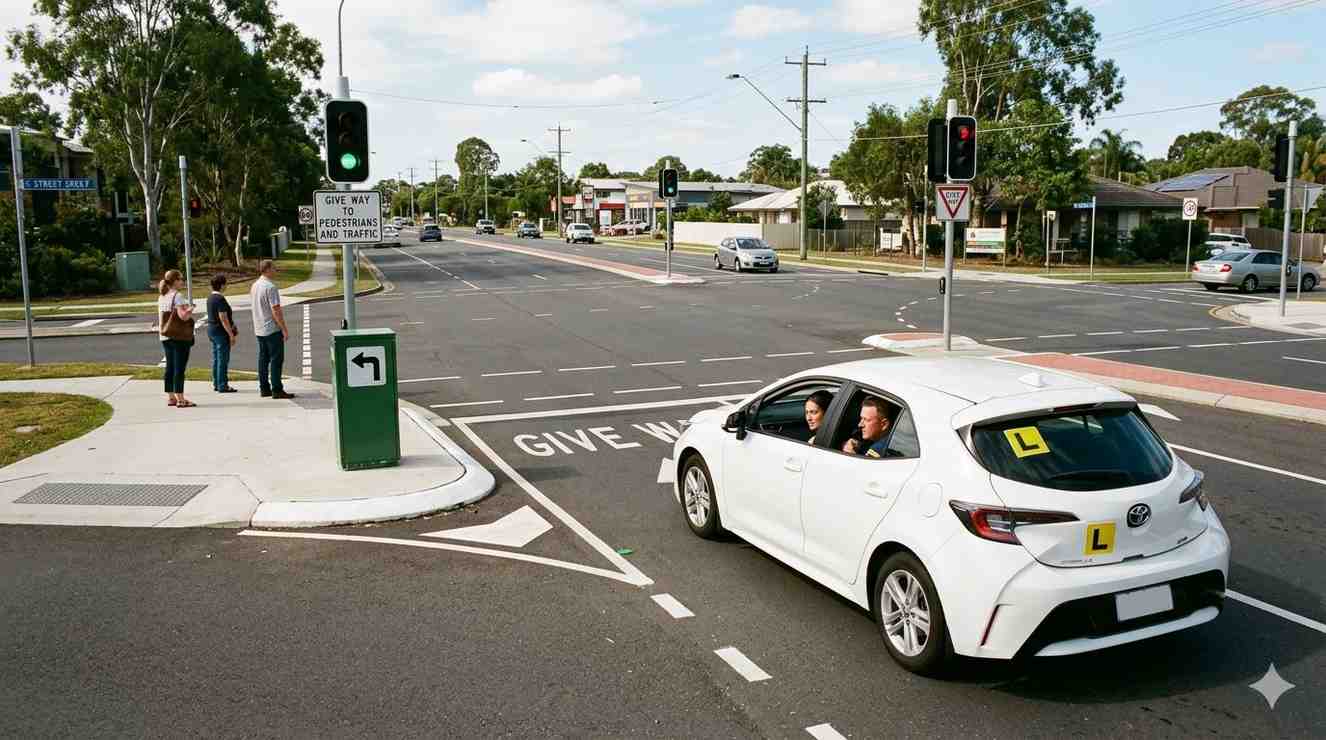
Slip lanes are common on Australian roads, but many drivers are unsure who has priority when using them. This confusion can put pedestrians, cyclists, and other vehicles at risk, especially when drivers assume a slip lane gives them automatic right of way. A slip lane is a separate lane for vehicles turning left, usually divided…
-
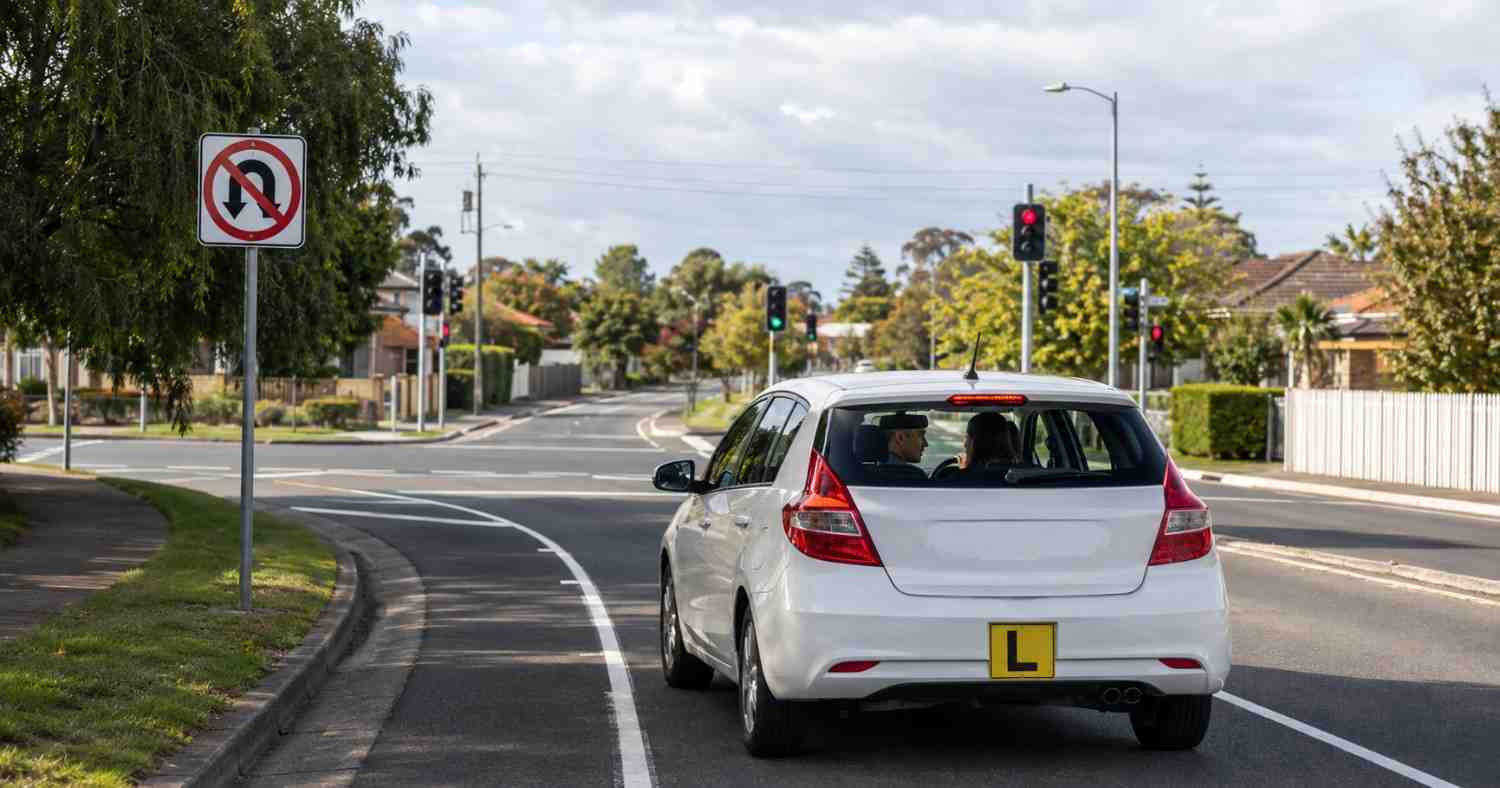
Making a U-turn may seem simple. However, it is one of the more misunderstood road rules in Victoria. Many drivers are unsure where U-turns are allowed. Others are not sure whether they can make one at traffic lights or who must give way. Knowing the rules is important for all drivers. This includes learner drivers,…
-
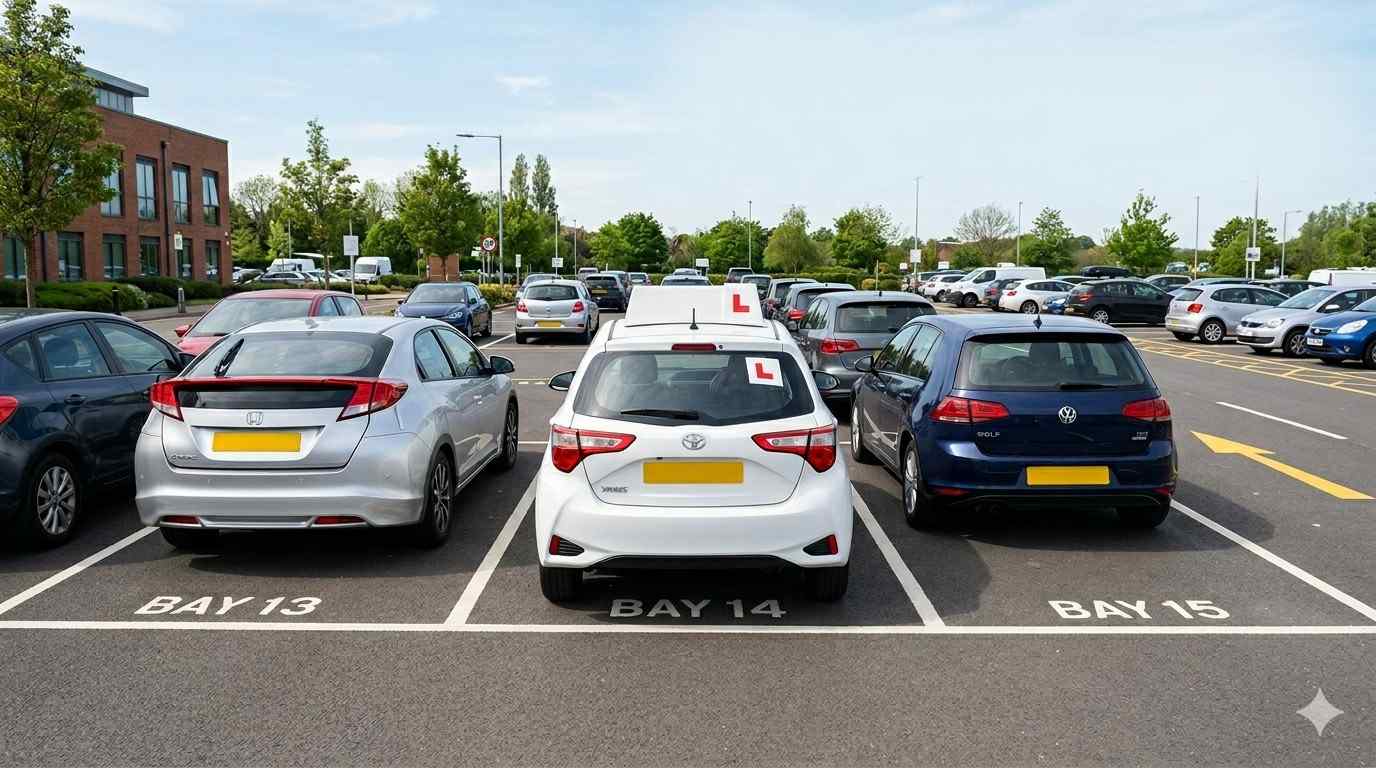
Perpendicular parking is one of the most common parking methods you use in car parks, shopping centres, schools, offices, and roadside parking bays. In this method, you park your car at a 90-degree angle to the driving lane. Your car sits straight between two marked lines, either by driving forward into the space or reversing…
-
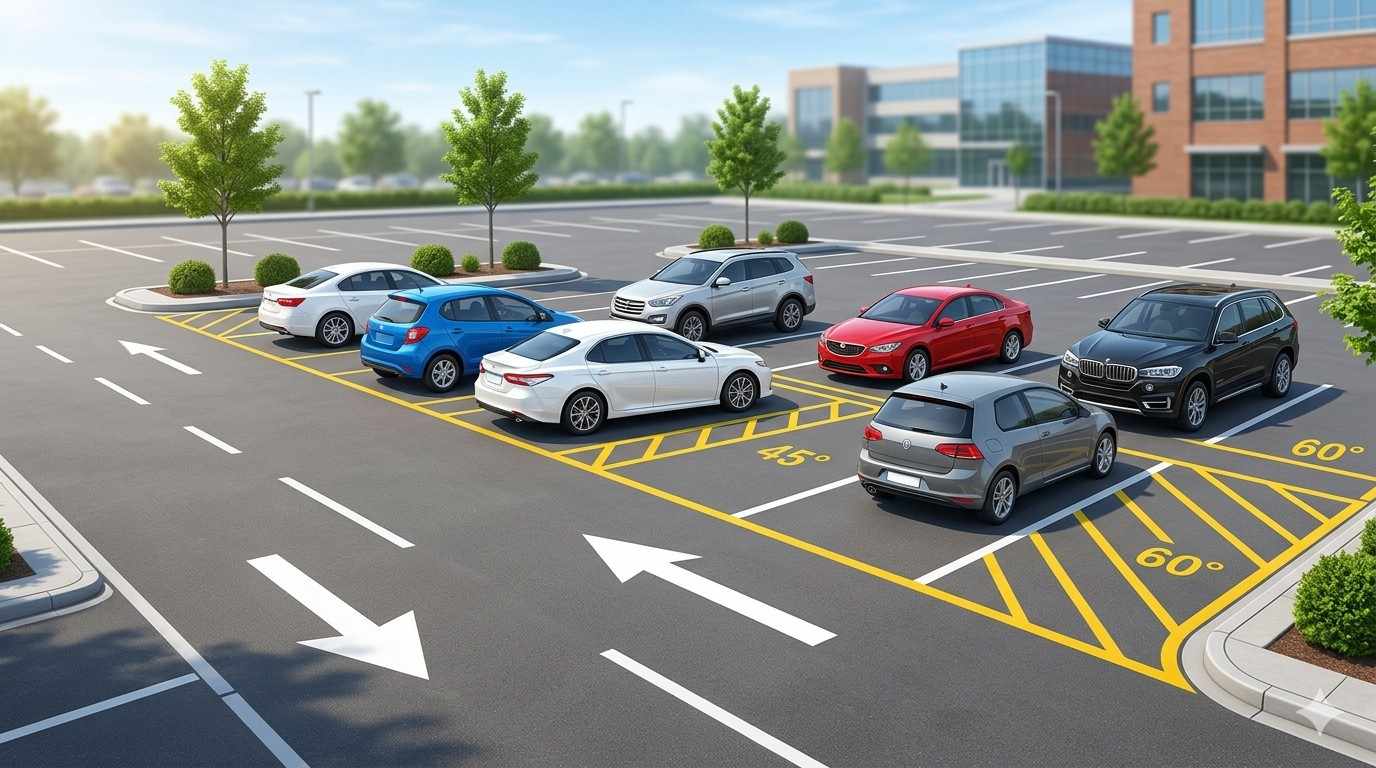
Finding a parking space is one thing, but parking correctly and safely is another. Among the various parking methods used on roads and in parking lots, angle parking is one of the most common because it allows vehicles to enter parking spaces with relative ease while helping maintain a smooth flow of traffic. Whether you’re…
-
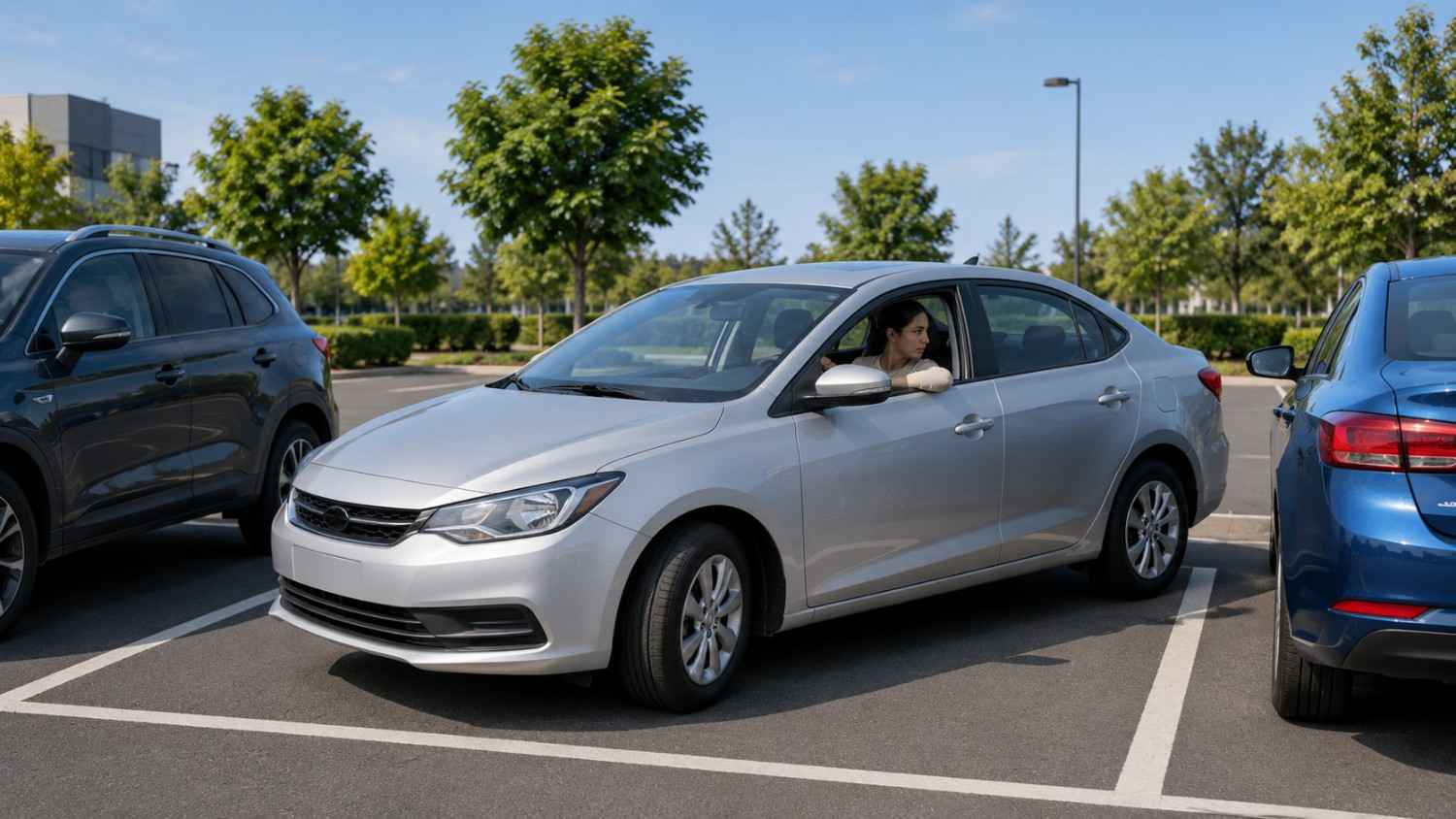
Parking is one of the most important driving skills every motorist needs to master. Whether you’re a new driver preparing for your driving test or someone looking to improve your confidence behind the wheel, learning how to park a car correctly can make driving safer and less stressful. Many drivers find parking challenging at first,…
-
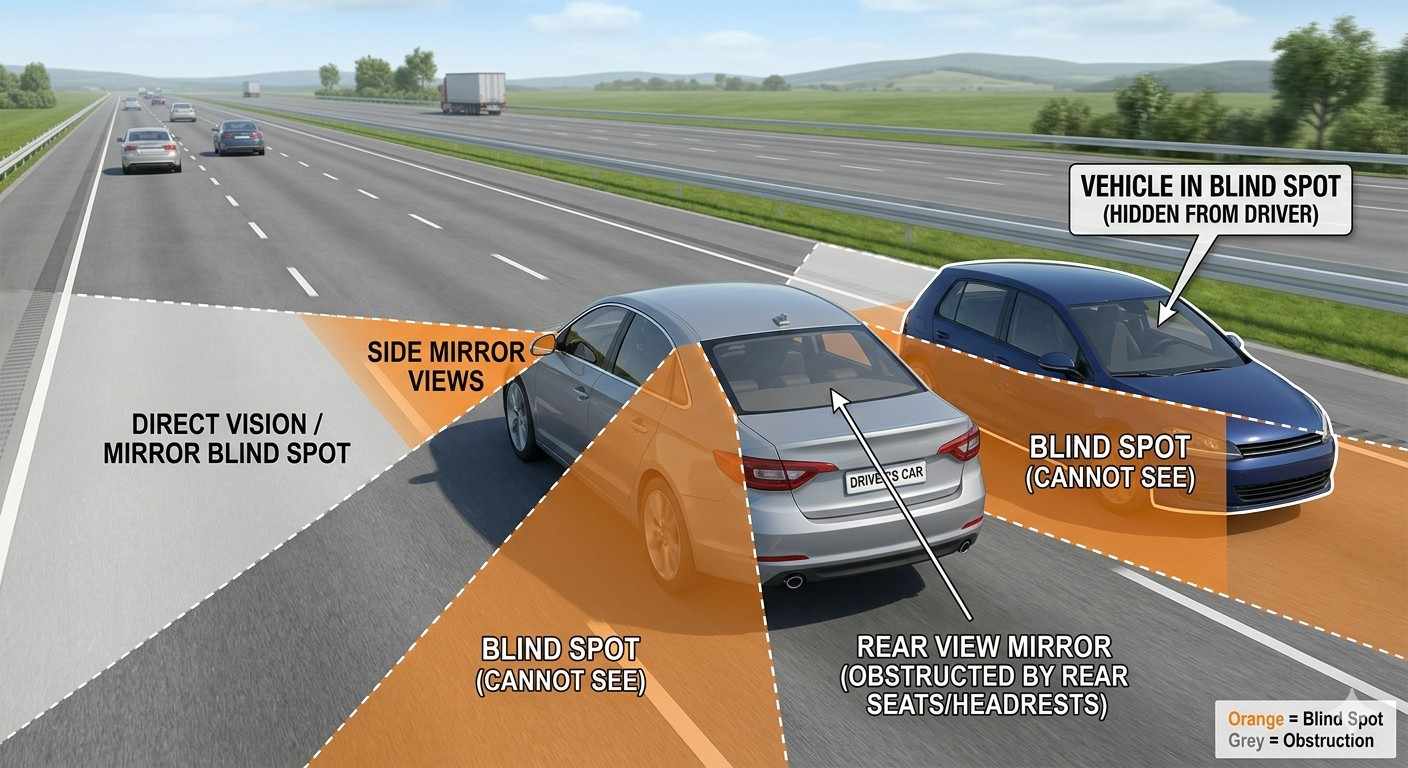
Blind spots are one of the most overlooked yet important aspects of safe driving. While mirrors help drivers monitor the traffic around them, they cannot provide a complete view of every area surrounding a vehicle. As a result, certain road users, including cars, motorcycles, cyclists, and pedestrians, may remain out of sight during critical driving…
-
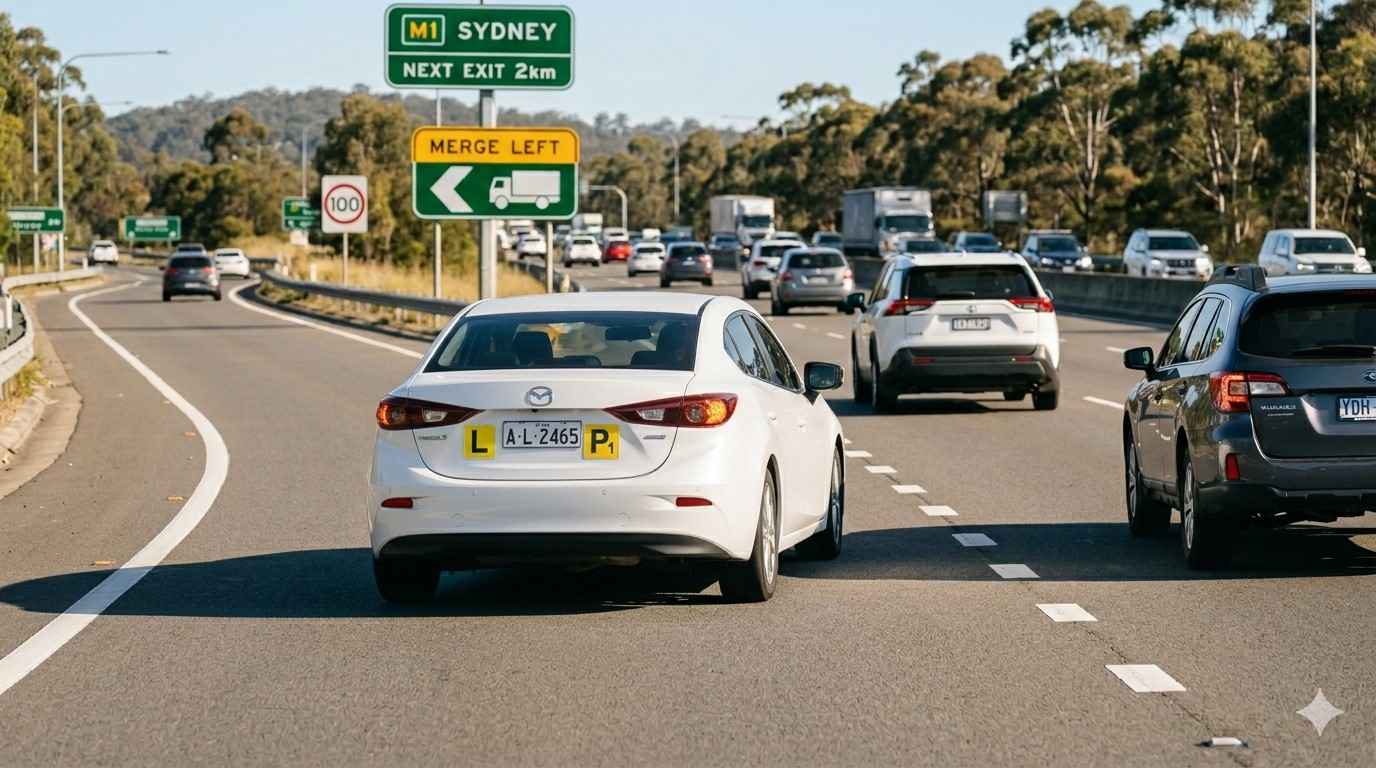
Merging lanes is a fundamental driving skill, yet it is one of the situations that many learner drivers find most challenging. Whether you’re entering a freeway, navigating roadworks, or dealing with a lane closure, merging requires good observation, correct timing, and a clear understanding of Australian road rules. In this guide, you’ll learn what merging…